Here’s a detailed breakdown of the different types of car wax, including their pros and cons, application methods, and key characteristics:
1. Carnauba Wax
- Source: Derived from the leaves of the Carnauba palm tree, native to Brazil.
- Appearance: Carnauba wax provides an exceptional glossy, deep, and warm shine. It enhances the richness of darker-colored cars and is known for its ability to make paint look "wet" or highly reflective.
- Durability: Typically lasts between 1 to 3 months, depending on driving conditions and environmental exposure (e.g., UV rays, rain, and pollution).
- Protection: Offers excellent water-repellent qualities (hydrophobic), helping water bead off the surface.
- Application: Carnauba wax is typically sold in paste form and requires a bit of elbow grease for proper application and buffing. It can be layered for enhanced shine.
- Pros:
- Provides one of the best visual finishes, especially for show cars.
- All-natural product.
- Cons:
- Requires more frequent reapplication than synthetic waxes.
- Application can be more labor-intensive.
- Best for: Car enthusiasts who prioritize shine and appearance over long-term durability.
2. Synthetic Wax (Polymer Sealants)
- Source: Made from synthetic polymers or silicones, designed to mimic natural wax properties with added durability.
- Appearance: While synthetic waxes don't provide the same depth of shine as Carnauba, they still offer a glossy, reflective finish, with a slightly more "plastic" look. Great for lighter-colored cars.
- Durability: Synthetic waxes last much longer than natural waxes, providing protection for up to 6 months or more, depending on weather conditions and vehicle care.
- Protection: Synthetic waxes are highly durable, offering excellent protection against UV rays, environmental contaminants, and water.
- Application: Usually available in liquid or spray forms, synthetic waxes are easier to apply and require less buffing than Carnauba wax. They often contain bonding agents to make the product adhere better to the paint surface.
- Pros:
- Long-lasting protection.
- Easier and faster to apply than natural waxes.
- Provides protection from oxidation and UV rays.
- Cons:
- Doesn’t offer the same depth of shine as Carnauba.
- Best for: Daily drivers who want long-term protection with minimal maintenance.
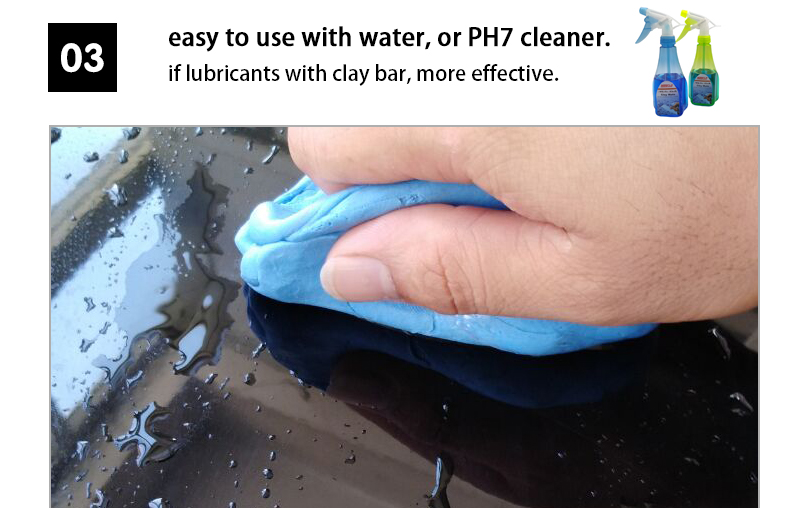
3. Spray Wax
- Source: Comes in a spray bottle, typically combining Carnauba or synthetic waxes with lubricants and cleaning agents.
- Appearance: Produces a decent shine, but typically not as deep as paste or liquid waxes.
- Durability: Spray waxes are not as durable as paste or liquid waxes, usually lasting only a few weeks to a month.
- Protection: Provides basic protection against water, dust, and minor contaminants, but it is less robust than traditional waxes.
- Application: Very easy to apply—simply spray on and wipe off with a microfiber cloth. This makes it a great choice for quick touch-ups or when you’re short on time.
- Pros:
- Extremely quick and easy to apply.
- Can be used between regular wax applications to maintain shine.
- Cons:
- Short-lasting.
- Not as protective or glossy as other wax types.
- Best for: Busy car owners looking for a fast, temporary solution or for use in between full waxing sessions.
4. Paste Wax
- Source: Traditionally, paste wax is made with a combination of Carnauba and other natural or synthetic ingredients.
- Appearance: Offers one of the best finishes in terms of depth and clarity, especially when applied carefully and buffed to perfection.
- Durability: Paste wax generally provides longer protection than liquid wax but not as long as synthetic sealants. You can expect 2 to 3 months of protection.
- Protection: It offers solid protection against water, UV rays, and contaminants, with strong hydrophobic properties.
- Application: Requires manual application and buffing, which can be labor-intensive. It’s typically recommended to apply in small sections and buff off quickly for best results.
- Pros:
- Produces a high-quality, glossy finish.
- More durable than liquid waxes in many cases.
- Cons:
- Time-consuming and requires more effort.
- Tends to be more expensive than other types of wax.
- Best for: Enthusiasts who don’t mind investing time in their car's appearance for superior results.
5. Liquid Wax
- Source: Liquid waxes are a blend of natural and synthetic waxes, offering a balance of ease of use and durability.
- Appearance: Liquid waxes can offer a decent shine, but not as deep or reflective as paste wax or Carnauba wax.
- Durability: Liquid wax lasts longer than spray wax but generally less than paste or synthetic waxes. Protection typically lasts 2 to 3 months.
- Protection: Provides good water and UV protection. Some liquid waxes also contain cleaning agents that help remove minor contaminants from the paint surface.
- Application: Liquid wax is easier to apply than paste wax. It spreads evenly, and some formulations can be applied with a buffer.
- Pros:
- Easier to apply than paste wax.
- Offers a balance between shine and protection.
- Cons:
- Slightly less durable than paste or synthetic waxes.
- Best for: Those who want a combination of ease of application and decent shine/protection.
Factors to Consider When Choosing a Car Wax:
- Climate: If you live in a region with harsh sun or constant rain, a synthetic wax may provide better long-term protection than a Carnauba-based wax.
- Type of Paint: Darker paints tend to benefit from the warmth and depth of Carnauba wax, while lighter-colored cars might look better with the clear finish of a synthetic wax.
- Time and Effort: If you enjoy spending time detailing your car and love the satisfaction of a deep, glossy finish, a natural wax like Carnauba might be for you. If you prefer a quicker, lower-maintenance option, synthetic or spray wax is the better choice.
- Frequency of Use: If you drive your car daily and expose it to various elements, a long-lasting synthetic wax might save you time and effort in reapplication.
Conclusion:
- For Appearance: Go with Carnauba waxfor a deep, wet-look finish, especially on darker colors.
- For Longevity: Choose a synthetic wax(polymer sealant) if you want longer-lasting protection and less frequent applications.
- For Convenience: Use a spray waxfor quick touch-ups between major waxing sessions.
- For Balance: Opt for liquid or paste waxif you want a combination of shine, durability, and ease of application.


