
Paint correction is a process in automotive detailing that involves restoring and rejuvenating the vehicle's paintwork by removing surface imperfections that cause the paint to appear dull, hazy, or scratched. These imperfections can include:
1.Swirl Marks: Fine scratches that create circular patterns on the paint, often caused by improper washing techniques.The paint correction process typically involves several steps:
1.Washing & Decontamination: The vehicle is thoroughly washed to remove dirt, debris, and contaminants. A clay bar may be used to pull off embedded contaminants in the paint.
2.Paint Inspection: The paint is inspected under specialized lighting to identify imperfections. Depth and severity of the scratches or swirls are assessed.
3.Cutting/Compounding: A machine polisher with a cutting pad and abrasive compound is used to remove a thin layer of clear coat from the surface of the paint. This step removes scratches, swirls, and oxidation.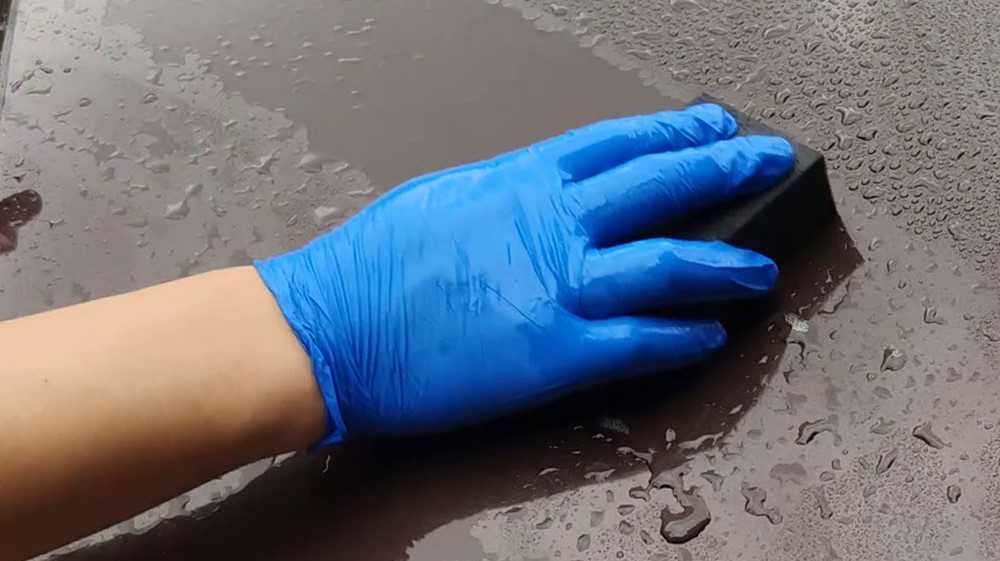
4.Polishing: After compounding, polishing is performed to refine the surface and restore the paint’s natural gloss and clarity. This step smooths out the paint surface.
5.Finishing/Protection: Once the correction process is complete, the car is waxed, sealed, or coated with a ceramic product to protect the newly corrected paint from future damage.
1.Restores Gloss and Shine: Paint correction can bring back the deep gloss and reflective shine of your car, making it look brand new. Swirl marks, haze, and dullness are removed, leaving the paint looking glossy and vibrant.
2.Increases Resale Value: If you're planning to sell your car, a flawless exterior can significantly boost its resale value. Buyers often prioritize aesthetics, and a vehicle with corrected paint appears better maintained.
3.Removes Defects: Swirl marks, light scratches, and other defects are removed during the process. This results in a smoother, more consistent finish.
4.Protects Against Further Damage: After correction, most detailers apply a protective coating such as wax, sealant, or ceramic coating. These coatings act as a barrier against future damage from environmental elements like UV rays, bird droppings, and acid rain.
5.Longer Paint Life: By correcting imperfections early, you prevent deeper, more severe damage. This keeps the paint's clear coat intact and extends the life of your vehicle's exterior.
6.Improves Aesthetic Appeal: The car’s overall aesthetic is improved, giving it a fresher, more refined appearance. This not only enhances personal satisfaction but can also attract more attention if you’re displaying the car.
7.Enhances the Effectiveness of Wax/Coating: Paint correction creates a smoother, defect-free surface, allowing wax, sealants, or ceramic coatings to bond better. This results in longer-lasting protection and enhanced shine.
The price for paint correction varies based on the condition of the paint, the size of the vehicle, and the detailer’s skill level. Generally, it ranges from $200 to $1,000+ depending on the level of correction required.
Paint correction can dramatically improve the appearance of your car by removing imperfections and restoring its shine. It not only enhances the visual appeal but also protects the paint, prolonging its life. Whether you’re looking to maintain your vehicle's appearance or prepare it for resale, paint correction is a highly effective solution for achieving a flawless, glossy finish.


