
Content Menu
What Products Do Car Detailers Use?
● 10. Odor Eliminators and Air Fresheners
Car detailing is a meticulous process that goes beyond a simple car wash. It involves cleaning, restoring, and finishing a vehicle to ensure it looks its best both inside and out. For professionals in the car detailing industry, having the right tools and products is crucial for achieving optimal results. In this article, we'll explore the essential products used by car detailers, how they work, and why they are indispensable in the detailing process.
The foundation of any car detailing session is a thorough wash, and that’s where car shampoo or soap comes in. These products are designed to clean the car's exterior without damaging the paint or stripping away wax and protective coatings. Professional car detailers often use pH-balanced shampoos that gently lift dirt and grime without causing harm to the vehicle's finish.
Shampoo vs. Soap: Car shampoos are typically formulated to be gentler on car surfaces, while traditional soap can be too harsh and may remove protective coatings like wax or sealant.
Foaming Action: Many car shampoos come with foaming agents that help suspend dirt particles in the foam, making it easier to rinse off without scratching the paint.
After washing the car, detailers often use a clay bar to remove contaminants that remain on the paint surface. These contaminants include tree sap, road tar, and industrial fallout, which are not removed by conventional washing. The clay bar works by gently pulling these contaminants away from the paint, leaving it smooth and ready for polishing.
How It Works: The clay bar is rubbed over the surface of the car, and as it glides over the paint, it picks up particles that could otherwise cause surface imperfections.
Why It's Important: Using a clay bar helps prepare the car for polishing and waxing, as a clean, smooth surface is essential for achieving a mirror-like finish.
Polishing is an essential step in car detailing, especially if the vehicle has swirls, scratches, or oxidation. Polish and compound products are used to restore the paint’s clarity, gloss, and depth. These products are typically abrasive and work by removing a thin layer of clear coat to smooth out imperfections.
Polish: Car polish is generally less abrasive than compound and is used to refine the surface and enhance the gloss. It can be used after a compound treatment to give the paint a smooth, glossy finish.
Compound: Compound is more abrasive and is used for heavy-duty correction of paint defects. It helps remove deeper scratches and imperfections that a polish alone can’t handle.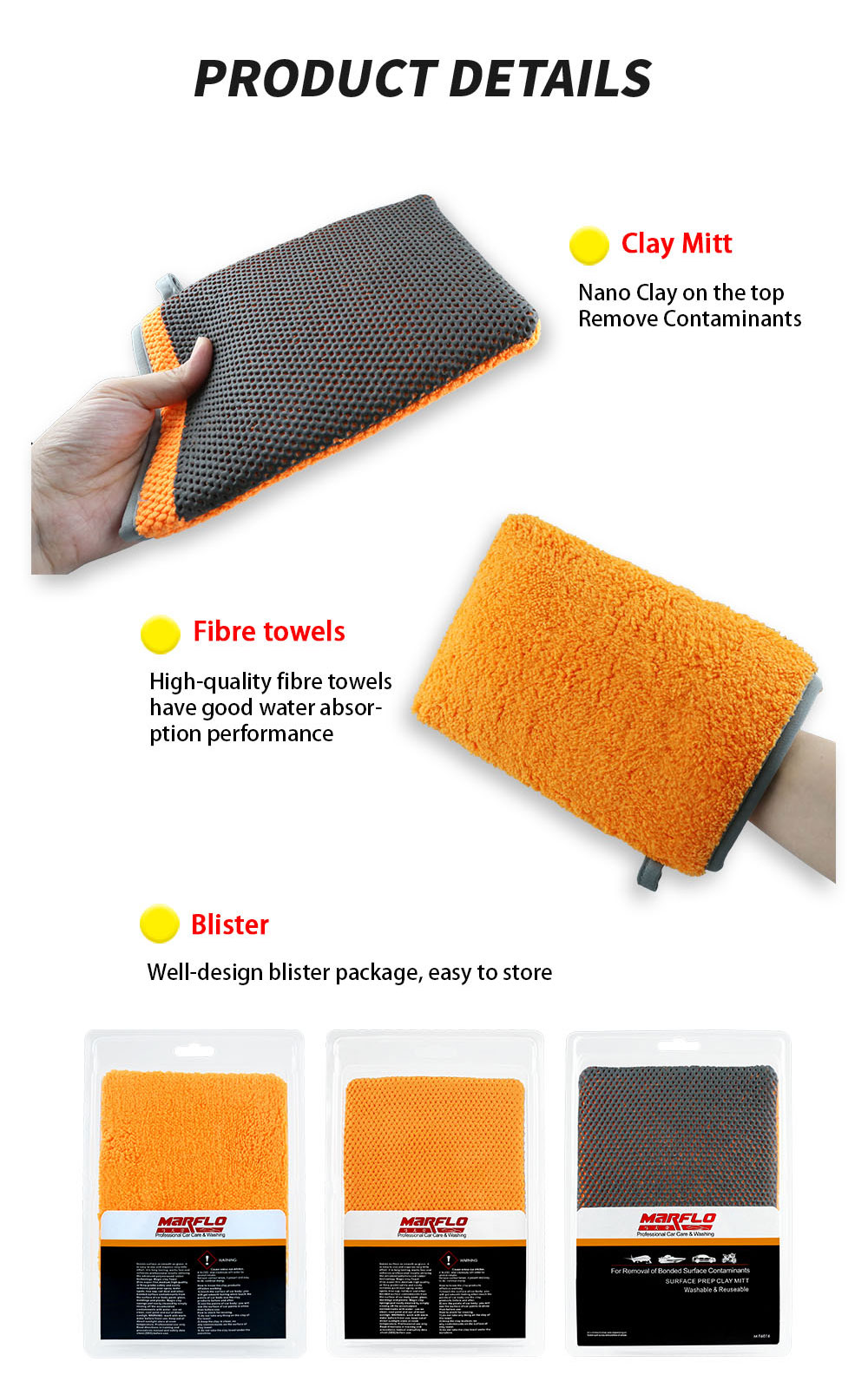
Once the car’s paint has been polished and corrected, it’s important to protect it. Car wax and sealants are used to add a layer of protection that keeps the paint looking shiny and helps guard against the elements. While wax is derived from natural ingredients like carnauba, sealants are synthetic products that offer longer-lasting protection.
Wax: Car wax provides a rich, deep shine and is ideal for a glossy, wet look. However, it typically lasts for a few weeks before needing reapplication.
Sealants: Synthetic paint sealants create a harder, more durable layer of protection. They provide longer-lasting results than wax and are resistant to water and dirt, making them perfect for maintaining a car’s exterior.
The wheels and tires are some of the most exposed parts of a vehicle. Brake dust, road grime, and tar can quickly accumulate on wheels, making them look dirty and worn. To keep them clean, car detailers use specialized wheel cleaners that break down contaminants and restore the wheels to their original shine.
Tire Cleaner: Tire cleaners are designed to remove grime and residue from tires, giving them a fresh, blackened appearance. These cleaners may also contain conditioners that help maintain the rubber's flexibility and prevent cracking.
Wheel Cleaner: Wheel cleaners are typically more powerful than tire cleaners because they need to tackle brake dust and other stubborn contaminants. They often contain acid-based or non-acid-based formulations to break down these materials without damaging the wheel's finish.
Detailing the interior of a car is just as important as the exterior. Interior cleaners are formulated to clean various surfaces inside the vehicle, such as dashboards, seats, carpets, and door panels.
All-Purpose Cleaner (APC): APCs are versatile products that can be used on a variety of surfaces. They are effective at removing dirt, grime, and stains from fabric, vinyl, leather, and plastic.
Leather Cleaner and Conditioner: Leather requires special care to maintain its soft texture and appearance. Leather cleaners remove dirt and oils from the surface, while conditioners help to keep the leather supple and prevent cracking.
Fabric Cleaner: Fabric cleaners are used to clean upholstery, removing stains and odors from fabric seats and carpets. These cleaners may come in foam or liquid form and often contain enzymes to break down organic stains.
A clean windshield and windows are crucial for both safety and aesthetics. Professional car detailers use high-quality glass cleaners to remove smudges, dirt, and water spots from the windows and mirrors. Glass cleaners are formulated to evaporate quickly, leaving a streak-free finish.
Streak-Free Formula: Many glass cleaners are designed to leave no streaks or residue behind, ensuring a crystal-clear view for the driver.
Water Spot Removers: Some glass cleaners also contain additives that help remove mineral deposits from water spots, a common issue for cars parked outdoors.
Microfiber towels are an essential tool in any detailer’s kit. These towels are ultra-soft, highly absorbent, and gentle on surfaces, making them ideal for wiping down the car’s exterior and interior. They are used for drying the car after washing, buffing off polish and wax, and cleaning delicate surfaces like the dashboard.
Why Microfiber?: The fine fibers in microfiber towels trap dirt and moisture, preventing scratches and streaks from forming on the car’s surface. They are also reusable and durable, making them an eco-friendly choice for car detailers.
A powerful vacuum cleaner is essential for detailing the interior of a vehicle. It helps remove dirt, dust, crumbs, and debris from the carpets, seats, and other nooks and crannies inside the car.
Wet/Dry Vacuums: Some detailers prefer wet/dry vacuums that can handle both liquid and solid debris. These are especially useful for cleaning up spills and deep-cleaning the carpets.
Upholstery Attachments: Detailers often use specialized attachments for upholstery, such as crevice tools and upholstery brushes, to ensure a thorough cleaning of fabric and leather seats.
Even the cleanest car can develop unpleasant odors over time. Car detailers use odor eliminators to neutralize bad smells and air fresheners to add a pleasant fragrance to the car’s interior. These products are available in sprays, gels, and plug-ins.
Odor Eliminators: These products work by breaking down the molecules that cause odors, rather than just masking them.
Air Fresheners: Air fresheners are used to leave a long-lasting, fresh scent in the car’s cabin. They come in a variety of scents, from floral to citrus to new car smells.
Detailing brushes are used to clean intricate parts of the car that are difficult to reach with towels or sponges. These include areas like vents, seams, wheel lug nuts, and around emblems. Brushes come in various sizes, from small detailing brushes for tight spaces to larger ones for bigger surfaces.
Natural vs. Synthetic Bristles: Brushes with natural bristles are ideal for delicate surfaces like leather, while synthetic bristles are perfect for tough tasks like cleaning wheels and engine bays.
Professional car detailers use a wide range of products and tools to achieve the highest quality finish for vehicles. From shampoos and clay bars to polishes, waxes, and specialized interior cleaners, each product plays an important role in both enhancing and protecting the car’s appearance. By using high-quality products and following a thorough detailing process, detailers ensure that the vehicle looks its best and stays in top condition for years to come.
1.How often should I use a clay bar on my car? Clay bars should typically be used once or twice a year, depending on your car’s exposure to contaminants. If you drive in areas with heavy pollution or near industrial sites, you may need to use it more often.
2.Can I use regular household soap to wash my car? No, regular household soap is not formulated for use on car surfaces. It can strip away wax or sealants and may cause paint damage over time. Always use a dedicated car shampoo.
3.What’s the difference between polish and compound? Polishes are less abrasive and are used for refining paint to enhance gloss, while compounds are more abrasive and are used for correcting deeper imperfections in the paint.
4.Why should I wax my car? Waxing your car provides a protective layer over the paint, helps maintain its shine, and protects it from environmental contaminants like dirt, water, and UV rays.
5.How do I remove water spots from my car windows? You can use a specialized water spot remover or a vinegar-water solution to remove mineral deposits from the glass. For stubborn spots, a glass polish may be required.


