
Content Menu
Should I Polish a Brand New Car?
● Understanding Car Polish and Its Purpose
● The Ideal Time to Polish a New Car
● The Risks of Polishing a New Car Too Soon
● The Benefits of Polishing a New Car
When you purchase a brand-new car, it often comes with that irresistible "new car shine." The surface is smooth, glossy, and free from imperfections. However, as a car owner or enthusiast, you might wonder whether it's necessary to polish the vehicle or not. Polishing a brand new car is a topic that sparks debate, and it is essential to understand the purpose of polishing, the process involved, and whether it is advisable for your new car. In this article, we will explore the reasons why some car owners choose to polish a new car, while others prefer to wait or avoid it entirely.
Car polish is a product designed to improve the aesthetic appearance of your car’s paintwork. It works by gently smoothing out the top layer of the paint, removing minor imperfections, and enhancing the car's overall shine. Unlike wax or sealant, polish doesn’t offer long-term protection but helps to achieve a smoother surface by removing tiny imperfections like swirl marks, light scratches, and oxidation. Polish works as a mild abrasive and is not intended for heavy correction of deep scratches or chips.
While many new cars are delivered with a clear coat finish that gives them a shiny appearance, it doesn't always mean that polishing is unnecessary. Most new cars undergo a factory finish, which includes layers of paint and a clear coat. The quality of this finish can vary depending on the manufacturer, the environment in which the car was produced, and how it was handled during delivery. Here are the main reasons why some car owners choose to polish a brand-new car:
1.Removing Factory Imperfections: Despite the factory’s best efforts, it’s possible for a new car to have minor imperfections on its paint, such as swirl marks, light scratches, or dust particles that may have settled on the paint during the drying process. Polishing helps to correct these imperfections.
2.Enhancing the Shine: Even though the car may look glossy out of the dealership, a good polish can enhance its depth and reflectivity, making the color look more vibrant and rich. The polish also improves the clarity of the paint, giving it a mirror-like finish.
3.Ensuring a Clean Surface for Protection: Polishing a car helps to prepare the paint surface for additional layers of protection, such as wax or sealant. Without polishing, contaminants and dust particles may prevent proper bonding of the protective layer, reducing its effectiveness.
Despite the potential benefits, there are also risks associated with polishing a new car right after purchase. Here are some things to consider before you decide to polish your car:
1.Potential for Over-polishing: Polishing can remove a tiny layer of clear coat each time it’s applied. If done excessively, it can thin the clear coat and, over time, may lead to reduced protection for the paint. This is particularly concerning if the car is brand new, as you may not want to diminish the factory finish right away.
2.Factory Paint Protection: Some new cars come with a factory-applied protective layer or a ceramic coating. If the car is already treated with a paint protection product, polishing it right away could strip away or reduce the effectiveness of that protection. In such cases, it’s best to wait until the protective layer has worn down before polishing.
3.Unnecessary if the Finish is Already Perfect: If your car already has a flawless finish with no visible defects, polishing may not be necessary at all. In fact, unnecessary polishing can introduce new imperfections such as swirl marks, especially if done improperly or without the correct tools.
Even though polishing a new car might seem risky to some, it offers several benefits that many car owners find compelling. Let’s take a closer look at the advantages:
1.Improved Appearance: Polishing can restore the depth of color and improve the overall gloss of the car’s paint. It removes any minor surface imperfections, resulting in a smooth and shiny finish.
2.Preparation for Protection: After polishing, the car’s paint is cleaner, smoother, and more receptive to protective coatings like wax, sealant, or ceramic coatings. This ensures that the protection will bond better and last longer, which is especially important for new cars that are more vulnerable to environmental contaminants.
3.Scratch Removal: Polishing can help reduce or remove light scratches and swirl marks, which can accumulate during transport, dealership handling, or even just from improper washing. By polishing the surface, you can remove these minor blemishes and restore the paint’s integrity.
If you decide to go ahead with polishing your brand-new car, it’s important to do so correctly to avoid damaging the paint. Here’s a step-by-step guide to polishing a new car:
1.Wash the Car: Start by washing the car thoroughly. Use a pH-balanced car shampoo to remove dirt, grime, and contaminants from the surface. Dry the car completely with a microfiber towel.
2.Inspect the Paint: Before applying any polish, inspect the paint carefully for imperfections like swirl marks, light scratches, or water spots. This will give you an idea of how much work the paint needs.
3.Choose the Right Polish: Select a mild polish that is suitable for your car’s paint. For new cars, a light or medium cut polish is typically enough to address minor imperfections. If you're unsure, it's always better to start with a milder product.
4.Apply the Polish: Apply a small amount of polish to a foam or microfiber applicator pad. Work in small sections, applying the polish in circular motions. Avoid applying too much pressure, and let the polish do the work.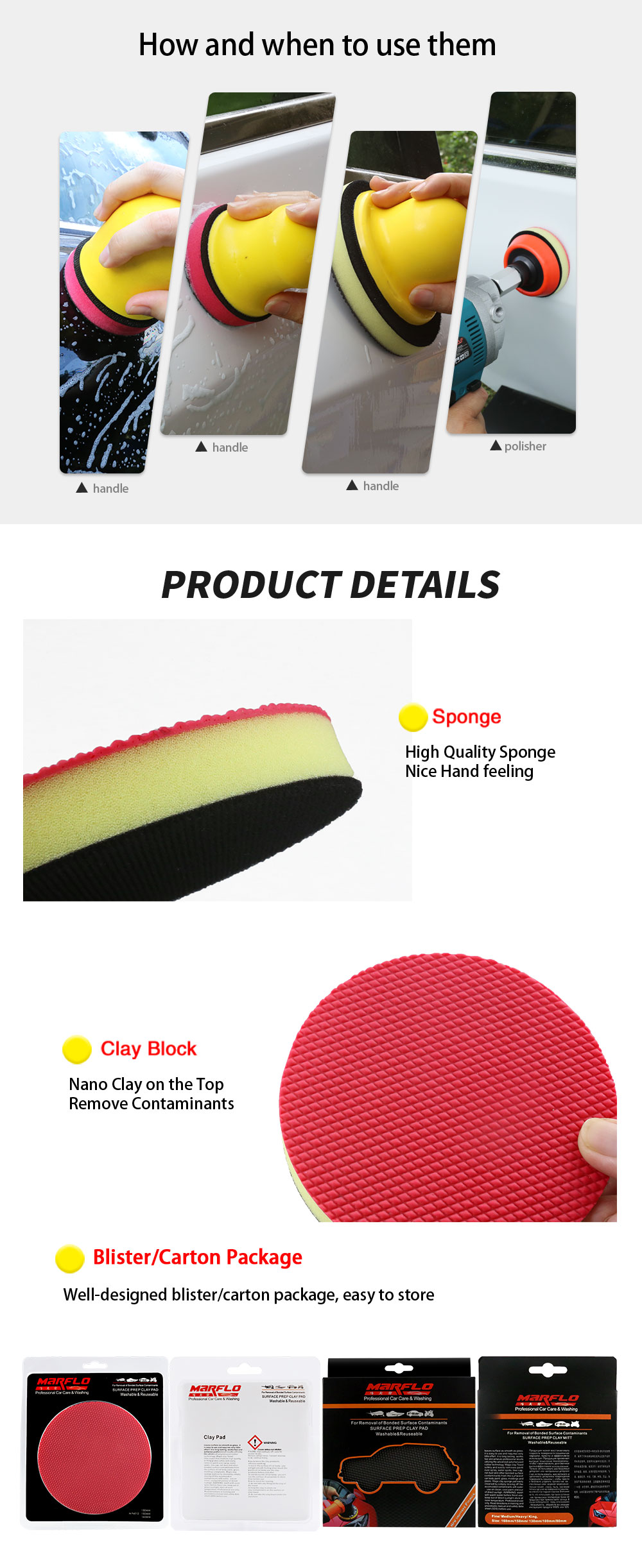
5.Buff the Surface: After applying the polish, use a microfiber towel to buff the surface and remove any excess product. Work in small sections and use clean towels to avoid streaking.
6.Inspect the Result: After polishing, inspect the car’s surface for any remaining imperfections. If necessary, repeat the process until the surface is smooth and glossy.
Polishing a brand-new car is a decision that depends on the car’s paint condition and your desired level of care. While it can enhance the appearance, smoothness, and shine of the paint, it is important to ensure that the car does not already have a protective layer, and that polishing will not remove or damage any existing finish. If done correctly, polishing can significantly improve the look of your new car while preparing the surface for long-term protection.
If you're unsure about polishing your car yourself, it may be worth seeking advice from a professional detailer. Always use quality products and tools to ensure the best result without causing damage to your car’s paint.
Frequently Asked Questions
1.Is it necessary to polish a new car?
It’s not always necessary, but polishing can remove imperfections and enhance the shine of a new car. If the paintwork is flawless, it may not be needed.
2.Can I polish a new car with a machine polisher?
Yes, but it’s important to use a machine polisher with caution. Start with a light polish and avoid using too much pressure.
3.Will polishing a new car remove the factory paint protection?It could potentially affect any protective layer, so it’s essential to know whether your car has a factory-applied coating before polishing.
4.Can I polish my car myself, or should I hire a professional?
Polishing can be done yourself if you have the right tools and knowledge. However, hiring a professional is a good option if you are unsure about the process.
5.How often should I polish my car?
Polishing is generally recommended every 6 to 12 months, depending on the condition of the paint and the type of protection applied. Too frequent polishing can damage the paint.


