It’s highly recommended to clean a firearm after each use to maintain optimal performance, accuracy, and safety. Regular cleaning prevents buildup of residue from gunpowder, lead, copper, and other debris that can accumulate inside the barrel, chamber, and moving parts. This residue, especially carbon fouling, can cause malfunctions and lead to increased wear on components. Here’s a breakdown of why post-use cleaning is important:
1. Preventing Corrosion
- Gunpowder and primer residues are often slightly corrosive and can attract moisture. Over time, this moisture can cause rust or pitting inside the barrel or on other metal components. Cleaning and lubricating help prevent corrosion, especially in humid conditions or if the gun is exposed to moisture during use.
2. Ensuring Reliable Performance
- A dirty gun is more prone to jamming, misfires, and malfunctions, particularly in semi-automatic firearms with complex mechanisms. The buildup of carbon and unburned powder particles can interfere with moving parts, which can lead to issues such as failure to feed, extract, or eject rounds properly.
3. Maintaining Accuracy
- Buildup in the barrel can impact a firearm’s accuracy. Even small amounts of residue can affect the bullet's trajectory, especially at longer ranges. Cleaning helps ensure that the bore is in optimal condition, allowing the bullet to exit the barrel without interference.
4. Prolonging the Lifespan of the Gun
- Regular cleaning and proper lubrication reduce friction between moving parts, minimizing wear over time. Neglecting routine cleaning can accelerate wear and may eventually lead to costly repairs or replacements.
5. Safety
- A well-maintained gun is a safer gun. Residue buildup can lead to pressure inconsistencies in the barrel, which might increase the risk of a dangerous malfunction, like a barrel rupture.
For general use, a basic cleaning after each range visit is often enough, but for long-term storage or after heavy use, a more thorough cleaning with inspection and detailed lubrication is recommended.
Cleaning a gun is a crucial part of maintenance that helps ensure safety, reliability, and longevity. Here’s a step-by-step guide for safely and effectively cleaning a gun:
1. Gather Necessary Supplies
- Cleaning Rod:A rod suitable for the caliber of the gun.
- Cleaning Patches:Cotton or synthetic patches for wiping the bore.
- Bore Brush:Brass or nylon brush to loosen debris inside the barrel.
- Gun Cleaning Solvent:A solvent to dissolve carbon, lead, and copper fouling.
- Lubricant/Oil:Gun oil or lubricant for moving parts.
- Bore Snake (optional):A flexible tool for cleaning the bore.
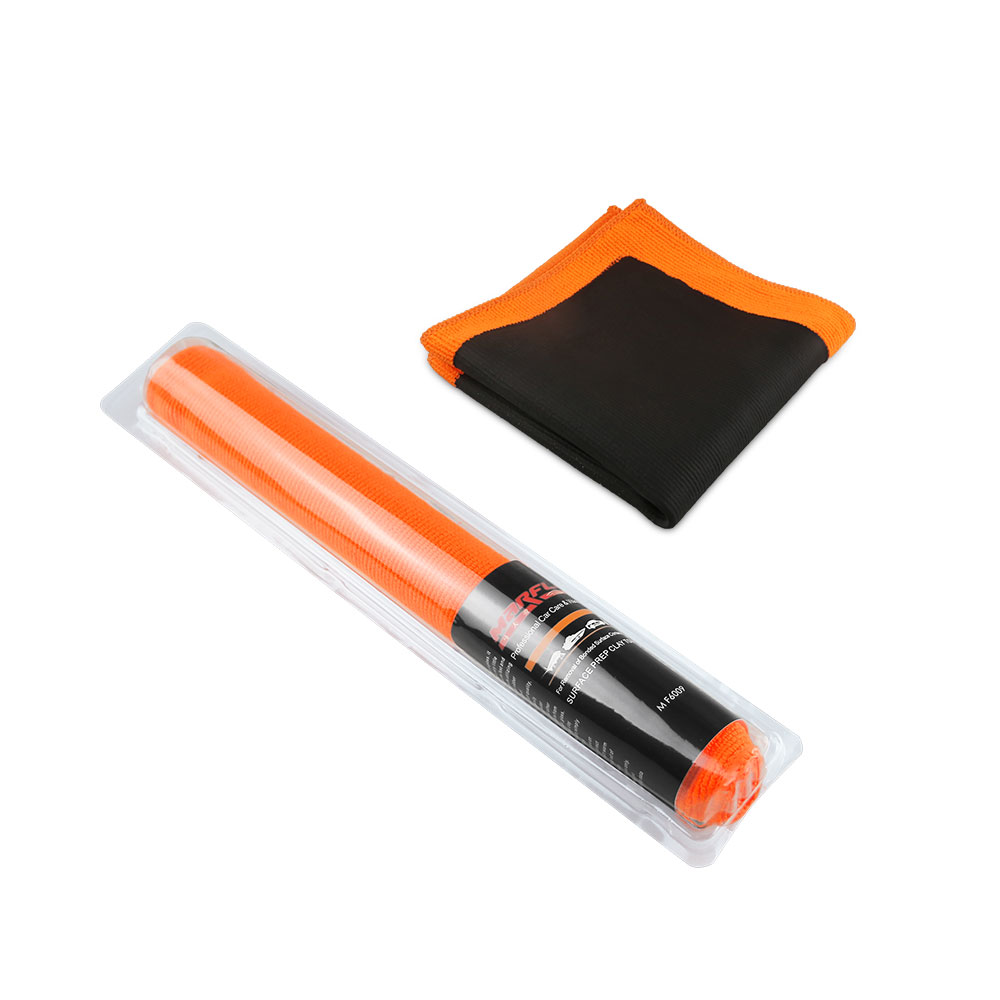
- Microfiber Cloths:For wiping down the gun’s exterior.
- Old Toothbrush or Nylon Brush:For cleaning small parts.
2. Ensure Safety
- Unload the Gun:Completely unload the gun by removing the magazine and double-checking that the chamber is empty.
- Disassemble the Firearm (Field Strip):Follow the manufacturer’s instructions to field strip the gun into its main parts, usually the barrel, slide, and frame (for pistols). For rifles and shotguns, the process may vary slightly.
3. Clean the Barrel (Bore)
- Attach Bore Brush:Attach a bore brush to the cleaning rod, dip it in solvent, and run it through the barrel from the chamber end. Avoid starting from the muzzle end as it can damage the rifling.
- Brush the Bore:Move the brush back and forth several times to break up residue.
- Run Cleaning Patches:Replace the brush with a patch holder on the cleaning rod, attach a solvent-dampened patch, and run it through the bore until it comes out clean. Repeat with clean patches as needed.
4. Clean Other Parts
- Wipe Down the Slide and Frame:Using a microfiber cloth and a small amount of solvent, clean any debris from the slide, frame, and other components. Use an old toothbrush for hard-to-reach spots.
- Clean the Feed Ramp:Pay attention to the feed ramp (especially for semi-auto firearms), which can accumulate carbon and cause feeding issues.
- Clean the Recoil Spring and Guide Rod:Wipe down the recoil spring, guide rod, and other parts, removing any residue with solvent as needed.
5. Lubricate Moving Parts
- Lubricate the Slide Rails and Moving Parts:Apply a small amount of lubricant to areas where metal contacts metal, such as the slide rails, pivot points, and trigger mechanisms. Avoid over-lubricating, as excess oil can attract debris.
- Lubricate the Barrel’s Exterior:Apply a very light layer of oil to the exterior of the barrel to prevent corrosion.
6. Wipe Down and Reassemble
- Clean Exterior Surfaces:Wipe down the entire gun with a lightly oiled cloth to prevent corrosion.
- Reassemble the Firearm:Once clean and lubricated, reassemble the gun according to the manufacturer’s instructions.
7. Final Safety Check
- Function Check:Make sure all parts are functioning correctly, and confirm there are no loose or misaligned components.
- Wipe Away Excess Oil:Wipe off any excess oil from the exterior to prevent dust and lint from sticking to it.
Tips
- Frequency of Cleaning:For casual use, cleaning after each session is ideal. However, if you're storing the gun for an extended period, a thorough clean and proper lubrication before storage is key.
- Use a Mat or Towel:A cleaning mat or towel can prevent small parts from getting lost and keeps surfaces clean.
Routine cleaning not only keeps your gun in prime condition but also enhances safety and functionality every time you use it.


