White cars generally appear cleaner than darker-colored cars because they hide dust, pollen, and minor scratches better. However, they also come with unique challenges:
1. Hides Light Dust and Road Grime
- Why It Appears Cleaner: White cars can often look cleaner than darker vehicles because light dust and road film are less obvious against the bright surface. On a black or dark blue car, even a thin layer of dust stands out, but white cars hide this well, allowing you to stretch the time between washes if needed.
- Where This Helps: This effect is especially beneficial if you live in a dry, dusty area or an environment with seasonal pollen, as the lighter dust will blend in with the paint color, maintaining a clean appearance from a distance.
2. Visibility of Stains, Dirt, and Environmental Fallout
- Why Stains Stand Out: White cars are highly reflective and show stains like bird droppings, sap, mud splashes, or rust spots more prominently. These contaminants are generally darker or more vivid against white paint, drawing immediate attention.
- Water Spots: Hard water from rain or sprinkler systems leaves mineral deposits on the surface that are easily noticeable on white paint. Over time, these can create dull spots if left unaddressed, so it’s important to wash and dry the vehicle regularly.
- Solution: Prompt cleaning is essential. Use gentle, microfiber cloths and detail sprays designed to remove contaminants quickly, especially bird droppings and tree sap, which can damage the paint if left on too long. Consider keeping a quick detailer spray and a soft cloth in your car to handle spots immediately.
3. Oxidation and Yellowing Over Time
- What Causes Yellowing: UV rays, pollution, and airborne contaminants can cause a subtle yellowing effect on white cars over time. This is especially common in areas with high sun exposure or heavy pollution.
- Preventive Measures: Regular washing with pH-neutral soap and applying a protective coating, such as wax or a ceramic coating, will create a barrier against contaminants and UV rays. Wax should be applied every 2–3 months, while a ceramic coating lasts longer but requires proper application and maintenance.
- Specialized Products: Using products with UV inhibitors and detailing sprays that contain polymers to enhance paint protection can also help maintain a vibrant, bright white look.
4. Reduced Visibility of Minor Scratches and Swirl Marks
- Advantages of White Paint: White paint does not show small scratches, swirls, or imperfections as easily as dark colors. This is especially helpful when dealing with minor wear and tear that occurs from daily use, like brushing against shrubs or minor scratches from keys and zippers.
-
Detailing Needs:
You may not need to polish a white car as frequently as a black or dark-colored one since surface imperfections are less visible. When you do polish, a high-quality, fine-cut polish or glaze can restore the shine without extensive correction work.
5. Maintenance Tips for a Pristine White Finish
- Regular Washing Routine: Even though white hides dust well, a consistent wash routine (every 1–2 weeks) prevents the buildup of contaminants that can dull the paint over time. Use microfiber mitts and pH-neutral car wash soap to avoid marring the surface.
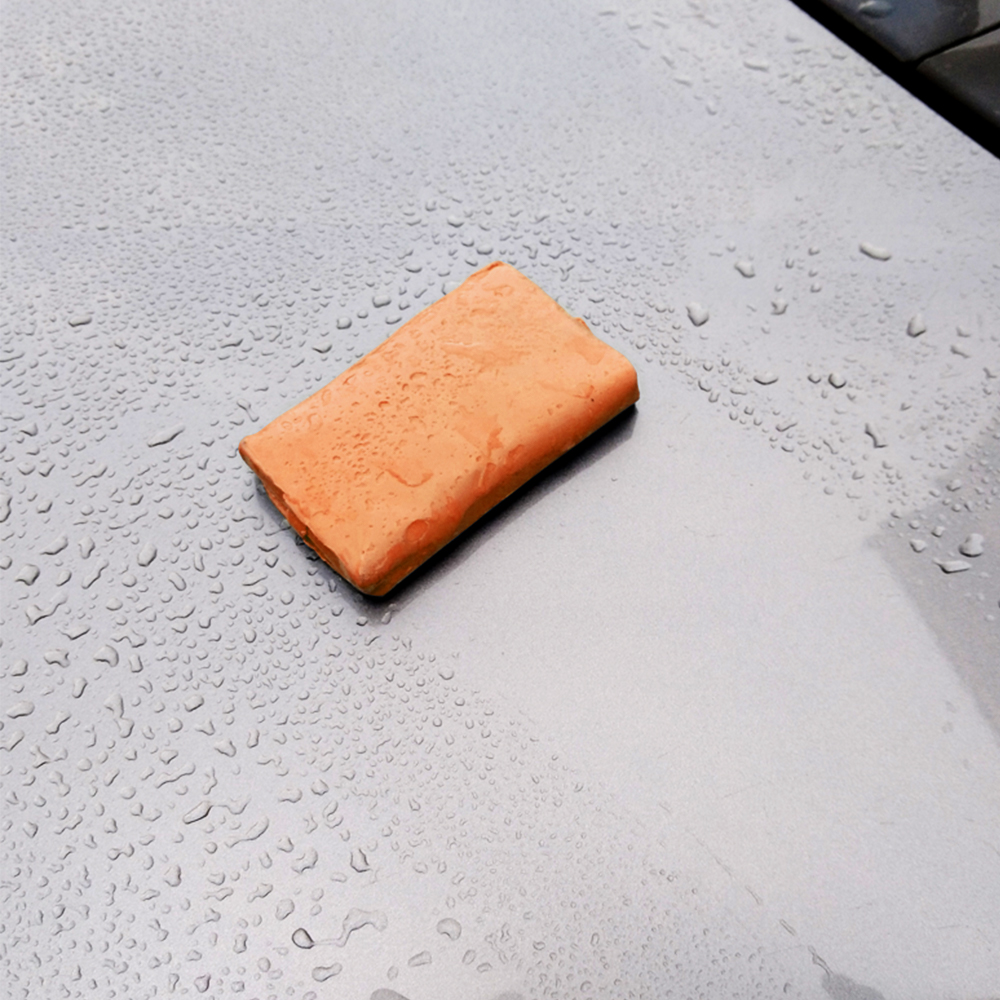
- Clay Bar Treatment: Twice a year, use a clay bar to remove bonded contaminants that don’t come off with normal washing. A clay bar treatment helps to keep the paint smooth and prevent the yellowing that can occur from oxidation.
- Paint Protection Film (PPF): Applying PPF to high-impact areas (such as the front bumper and hood) protects against stone chips and road debris, which are more visible on white. PPF is clear and can keep the paint beneath in pristine condition, reducing the likelihood of needing touch-up paint.
- Ceramic Coating: A ceramic coating adds a hard, protective layer that repels water, dirt, and minor contaminants. It’s an excellent long-term solution that enhances shine, eases cleaning, and reduces the yellowing effect on white cars, usually lasting a few years before reapplication is needed.
6. Regular Polishing and Waxing for Enhanced Shine
- Maintaining a Bright Finish: White cars can sometimes look a bit dull if not regularly polished and waxed, as they don’t reflect light as intensely as darker colors. A glaze polish can help to boost the shine and create a more reflective, wet-look finish on white paint.
- Recommended Frequency: Wax every 2–3 months, and polish as needed. Applying wax or a sealant not only boosts shine but also makes future cleaning easier since contaminants won’t bond as easily to the slick surface.
White cars are relatively forgiving but require specific care routines to prevent dulling or yellowing. A proactive approach, including regular washing, the use of protective products, and prompt spot-cleaning, will help keep a white car looking as bright and fresh as the day it was bought.


