Content Menu
How to Do a More Detailed Cleaning on a Car?
● Introduction
● 1. Preparation and Gathering Necessary Tools
>> Essential Tools and Products:
● 2. Exterior Cleaning
>> Step 1: Pre-rinse
>> Step 2: Wash
>> Step 3: Wheel and Tire Cleaning
>> Step 4: Clay Bar Treatment
>> Step 5: Drying
● 3. Polishing and Waxing
>> Step 1: Polishing
>> Step 2: Waxing
● 4. Interior Cleaning
>> Step 1: Vacuuming
>> Step 2: Cleaning Upholstery
>> Step 3: Dashboard, Door Panels, and Console
>> Step 4: Windows and Mirrors
● 5. Finishing Touches
>> Step 1: Odor Removal
>> Step 2: Final Touch-Up
● Conclusion
● Frequently Asked Questions (FAQs)
How to Do a More Detailed Cleaning on a Car?
Introduction
When it comes to maintaining a car, a simple wash might not always be enough. Regular cleaning not only helps to keep your car looking pristine but also prolongs its lifespan by protecting the paint, interior materials, and mechanical components from wear and tear. Detailed cleaning, or what many refer to as “detailing,” goes beyond the basic car wash, targeting every nook and cranny, using specialized products and techniques. This guide will walk you through a step-by-step process on how to perform a more detailed cleaning on your car.
1. Preparation and Gathering Necessary Tools
Before starting the cleaning process, it’s essential to gather the right equipment and cleaning products. Proper preparation helps save time and ensures that the cleaning is done efficiently.
Essential Tools and Products:
- Microfiber towels: Soft and absorbent, perfect for drying, wiping, and polishing surfaces.
- Buckets: Two buckets are recommended for the two-bucket wash method—one for soapy water and another for rinsing the sponge or mitt.
- Car shampoo: A pH-balanced, mild formula designed to clean without stripping away the wax.
- Wheel cleaner: Specially formulated to remove brake dust, road grime, and other contaminants from wheels.
- Tire cleaner and dressing: To clean tires and provide a shiny, protected finish.
- Clay bar: For removing embedded contaminants from the paint surface.
- Polish and wax: For enhancing the shine and providing a protective layer.
- Interior cleaner: Specifically formulated for cleaning upholstery, dashboard, and door panels.
- Vacuum: For deep cleaning carpets and seats.
- Detailing brush: Used for intricate areas such as air vents, crevices, and the grille.
- Glass cleaner: For streak-free windows and mirrors.
- Leather conditioner: If your car has leather upholstery.
Step-by-Step Process for a Detailed Car Cleaning
2. Exterior Cleaning
The exterior of your car is often exposed to a variety of contaminants, including dirt, bugs, bird droppings, tree sap, and more. A thorough exterior cleaning process can be broken down into several steps.
Step 1: Pre-rinse
- Start by thoroughly rinsing the entire car to remove loose dirt and debris. This reduces the chances of scratching the paint when you begin washing. Use a pressure washer if available, but keep the nozzle at least a foot away from the surface to avoid damaging the paint.
Step 2: Wash
- Use the two-bucket method for washing. One bucket should contain soapy water (mixed with car shampoo), and the other should be for rinsing the sponge or wash mitt to prevent dirt from being reintroduced to the car’s surface.
- Begin washing the car from the top down to avoid dirt from lower parts of the car running over already-cleaned areas. Always use a gentle touch and work in small sections.
Step 3: Wheel and Tire Cleaning
- Apply a wheel cleaner and allow it to sit for a few minutes to break down the dirt and brake dust.
- Use a wheel brush to scrub the wheels and a tire brush to clean the rubber. If your tires are particularly dirty, you may need to use a specialized tire cleaner.
Step 4: Clay Bar Treatment
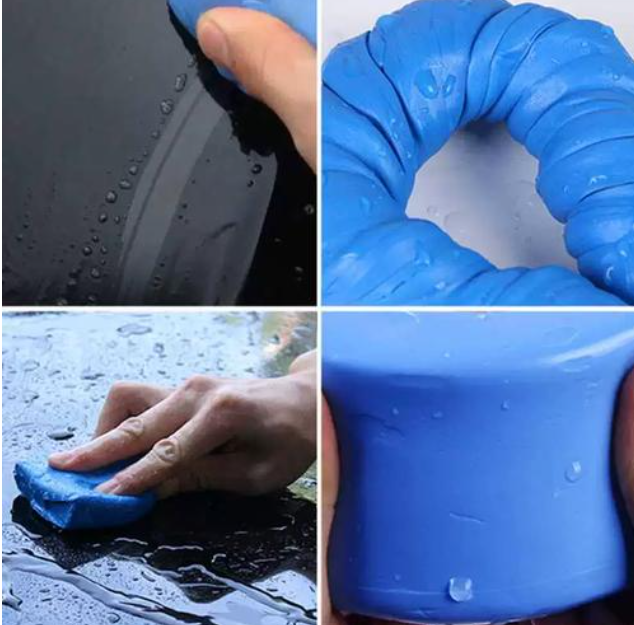
- After washing, the car’s paint surface might still feel rough. This is because contaminants have embedded themselves into the clear coat. To resolve this, use a clay bar. Lightly lubricate the surface with a clay lubricant and gently rub the clay bar over the paint to remove embedded particles.
- Tip: Always keep the surface lubricated to avoid scratching the paint with the clay bar.
Step 5: Drying
- Dry the car using a microfiber towel. Do this gently and use a blotting motion rather than rubbing to avoid scratching the paint. For larger surfaces, a microfiber drying towel or a car drying towel with a waffle weave can be highly effective.
3. Polishing and Waxing
After a deep wash, your car will benefit from polishing and waxing, which helps maintain the paint's shine and provides a layer of protection.
Step 1: Polishing
- Use a machine polisher or a dual-action polisher to apply a fine polish to the car’s surface. Polishing removes light scratches and swirl marks, restoring the car’s gloss.
- Always work in small sections, and avoid over-applying product to prevent residue buildup.
Step 2: Waxing
- Apply a carnauba wax or a synthetic polymer wax for long-lasting protection. Waxing helps protect the paint from contaminants and UV rays while giving the car a glossy finish.
- Use an applicator pad to apply the wax in a circular motion. Let it dry to a haze, and then buff it off using a clean microfiber towel.
4. Interior Cleaning
While the exterior may seem more important, the interior of your car is just as critical. A clean and organized cabin provides a better driving experience and preserves the condition of upholstery and other materials.
Step 1: Vacuuming
- Begin by vacuuming the seats, carpets, and floor mats. Pay attention to the edges of the seats and in between crevices where debris might accumulate.
- Use a specialized brush attachment to gently agitate the carpet fibers, making it easier to lift dirt and dust.
Step 2: Cleaning Upholstery
- Fabric Seats: Use an upholstery cleaner specifically formulated for fabric. Spray it on and use a soft brush to scrub the fabric. Wipe the surface with a clean microfiber towel.
- Leather Seats: Clean the leather with a leather cleaner, and after cleaning, apply a leather conditioner to keep it supple and prevent cracking.
- Vinyl Seats: Use an all-purpose cleaner to wipe down vinyl surfaces. For extra protection, apply a vinyl conditioner afterward.
Step 3: Dashboard, Door Panels, and Console
- Use a microfiber cloth and a mild interior cleaner to wipe down all hard surfaces, including the dashboard, door panels, and center console.
- For areas with hard-to-reach spots, use a detailing brush or cotton swabs to remove dust and dirt from small crevices, buttons, and vents.
Step 4: Windows and Mirrors
- Clean all interior windows with a streak-free glass cleaner. Use a microfiber towel to avoid leaving lint behind. Ensure that you clean both the inside and outside of the mirrors to improve visibility.

5. Finishing Touches
Step 1: Odor Removal
- To eliminate unwanted odors, consider using an air freshener or an odor-neutralizing spray. Alternatively, placing activated charcoal or baking soda in the car for a few hours can help absorb odors.
Step 2: Final Touch-Up
- Go over the car one last time with a detailing spray to add an extra layer of shine and smoothness. This will enhance the finish and ensure that any streaks or spots missed during cleaning are taken care of.
Conclusion
A thorough and detailed cleaning process not only enhances the appearance of your car but also ensures its longevity. By following these detailed steps, you can keep your car looking and feeling like new for many years. Whether you’re a car enthusiast or just want to maintain the value of your vehicle, regular detailing is essential.
Frequently Asked Questions (FAQs)
1.How often should I detail my car?
It depends on your driving habits and environment, but a full detail (both exterior and interior) is typically recommended every 3-6 months. More frequent cleaning may be needed if you drive in harsh conditions (e.g., salty roads, heavy pollution).
2.Can I use household cleaning products for my car?
While some household products may work, it’s best to use specialized car care products. Household cleaners can contain harsh chemicals that could damage your car’s finish or interior.
3.What’s the difference between waxing and polishing?
Polishing removes imperfections and smoothens the surface, while waxing adds a protective layer to the paint and enhances its shine.
4.How do I clean my car's engine?
To clean the engine, cover sensitive components like the alternator and air filter, and use a degreaser. Rinse lightly and avoid high pressure.
5.What’s the best way to prevent swirl marks?
Always use clean microfiber towels, wash mitts, and soft applicators. Avoid rubbing or pressing too hard when drying or applying products, and consider using a machine polisher with a dual-action mechanism to prevent swirl marks.