
Content Menu
What's the Best Wax to Use on an Expensive Car?
● Understanding Car Wax: The Basics
>> Popular Products with Carnauba Wax:
● Synthetic Wax: Polymer and Ceramic Coatings
>> Popular Polymer-Based Waxes:
● How to Apply Wax to Your Expensive Car
● FAQs
When you own an expensive or luxury car, every detail matters—from the precision of its engineering to the gleam of its paintwork. As car enthusiasts and owners of high-end vehicles know, preserving the flawless appearance of your vehicle is a priority. One of the most crucial steps in maintaining the pristine look of your car’s exterior is applying the right car wax. But with the overwhelming range of waxes available, how do you choose the best one for your prized possession? This guide will explore the various types of waxes, their benefits, and the best options for keeping your expensive car looking as magnificent as the day you drove it off the lot.
Before we dive into the best products on the market, it’s important to understand what car wax is and how it works. Car wax is a protective coating that’s applied to the exterior paintwork of your vehicle. It’s typically made from natural or synthetic materials that form a thin, durable layer over the surface of your car. The purpose of this layer is to shield your car's paint from environmental contaminants, such as water, dirt, bird droppings, tree sap, and harmful UV rays.
There are two primary types of wax: natural waxes (like carnauba) and synthetic waxes (such as polymer-based waxes). Both have their advantages and disadvantages, and understanding these differences will help you choose the best wax for your expensive car.
Carnauba wax is often regarded as the "gold standard" in the world of car care. Sourced from the leaves of the Brazilian carnauba palm tree, this natural wax is prized for its deep, warm shine and exceptional water-beading properties. Carnauba wax is often used in high-end detailing products and is preferred for its ability to provide a high-gloss finish that enhances the color of the paintwork. This is especially important for luxury and expensive cars, where every detail counts.
Deep, Wet Look Shine: The most notable benefit of carnauba wax is the intense depth and richness it adds to a car’s paint. The wax gives the surface a glossy, almost liquid-like finish that enhances the color and vibrancy of the paint.
Water Beading: Carnauba wax is highly effective at repelling water. When applied, it creates a hydrophobic surface that allows water to bead up and roll off the surface of the car. This helps prevent water spots and makes it easier to wash and maintain the vehicle.
UV Protection: The wax acts as a barrier against harmful UV rays, which can cause oxidation and fading over time. For expensive cars, maintaining the integrity of the paint is crucial, and carnauba wax helps preserve the finish for longer.
Durability: While natural waxes are renowned for their shine and visual appeal, they may not last as long as synthetic waxes. However, high-quality carnauba wax can last for a reasonable amount of time with proper care.
P21S Concours Carnauba Wax: Known for its high concentration of carnauba wax, P21S is a top choice among enthusiasts who value a premium shine. The product is easy to apply and offers great depth to dark-colored cars.
Swissvax Crystal Rock: This luxury brand is known for its premium, hand-crafted products. Crystal Rock contains a significant amount of carnauba and is designed to deliver the highest level of shine and protection.
While natural carnauba wax is beloved for its visual appeal, synthetic waxes, particularly polymer-based products and ceramic coatings, offer superior durability and protection.
Polymer waxes are made using synthetic resins and compounds that bond more strongly to the paint surface than natural waxes. They typically last longer, provide enhanced protection, and are easier to apply.
Longevity: Polymer waxes can last anywhere from 3 to 6 months, whereas carnauba wax typically needs to be reapplied every month or two. This makes polymer-based waxes a more practical option for car owners who want extended protection with minimal effort.
Enhanced Protection: Synthetic waxes are designed to resist contamination from environmental elements. They offer excellent protection against UV rays, bird droppings, road salt, and other pollutants. This makes them an excellent option for cars that are exposed to harsh environmental conditions.
Ease of Application: Synthetic waxes are often easier to apply and remove than natural waxes. They require less effort to buff to a streak-free finish.
Meguiar’s Ultimate Liquid Wax: A favorite among both professionals and enthusiasts, this polymer-based wax is easy to apply and provides excellent protection against water, dirt, and UV damage.
Chemical Guys JetSeal: Known for its advanced synthetic formula, JetSeal offers long-lasting protection and a glossy finish. It’s designed to bond to the paintwork and provide durability against harsh weather conditions.
Ceramic coatings are a step beyond traditional waxes. These products use advanced nanotechnology to form a super-thin, hydrophobic layer over the paint. While they are more expensive and complex to apply than traditional waxes, ceramic coatings offer unparalleled protection and longevity.
Extreme Durability: Ceramic coatings can last up to two years, making them the most long-lasting option for car owners who want the best protection without the need for frequent reapplications.
Incredible Water Repellency: Ceramic coatings create an extremely hydrophobic surface that causes water to bead and roll off with ease. This makes cleaning your car significantly easier, as contaminants are less likely to adhere to the surface.
Scratch and Swirl Resistance: While not a substitute for proper care, ceramic coatings can offer some level of resistance to light scratches and swirl marks, which can damage the paint on luxury cars.
Gtechniq Crystal Serum Ultra: This high-end ceramic coating provides an unmatched level of protection and durability. It’s a great choice for high-end cars that are frequently exposed to the elements.
CQuartz UK 3.0: CQuartz is one of the leading brands in the ceramic coating market. Its products are known for their longevity and superior performance.
Once you’ve chosen the right wax for your car, the next step is applying it correctly. Proper application ensures that the wax bonds effectively to the surface and provides the best possible protection. Here’s a basic guide to applying car wax:
1.Clean the Surface: Wash your car thoroughly to remove dirt, grime, and other contaminants. Use a high-quality car wash soap to prevent scratching the paint.
2.Clay Bar Treatment (Optional): For a smoother surface, you can use a clay bar to remove embedded contaminants. This step is particularly important for expensive cars with delicate paintwork.
3.Apply the Wax: Using an applicator pad, apply a thin, even layer of wax to the surface of the car. Work in small sections, following the manufacturer’s instructions. If using a paste wax, apply it in circular motions; if using a liquid wax, follow the instructions for spreading it evenly.
4.Buff the Wax: Once the wax has dried to a haze, buff it off with a soft microfiber towel. Use gentle, circular motions to remove the wax and achieve a smooth, glossy finish.
5.Maintain Regular Waxing: Depending on the type of wax, reapply it every few months to ensure ongoing protection.
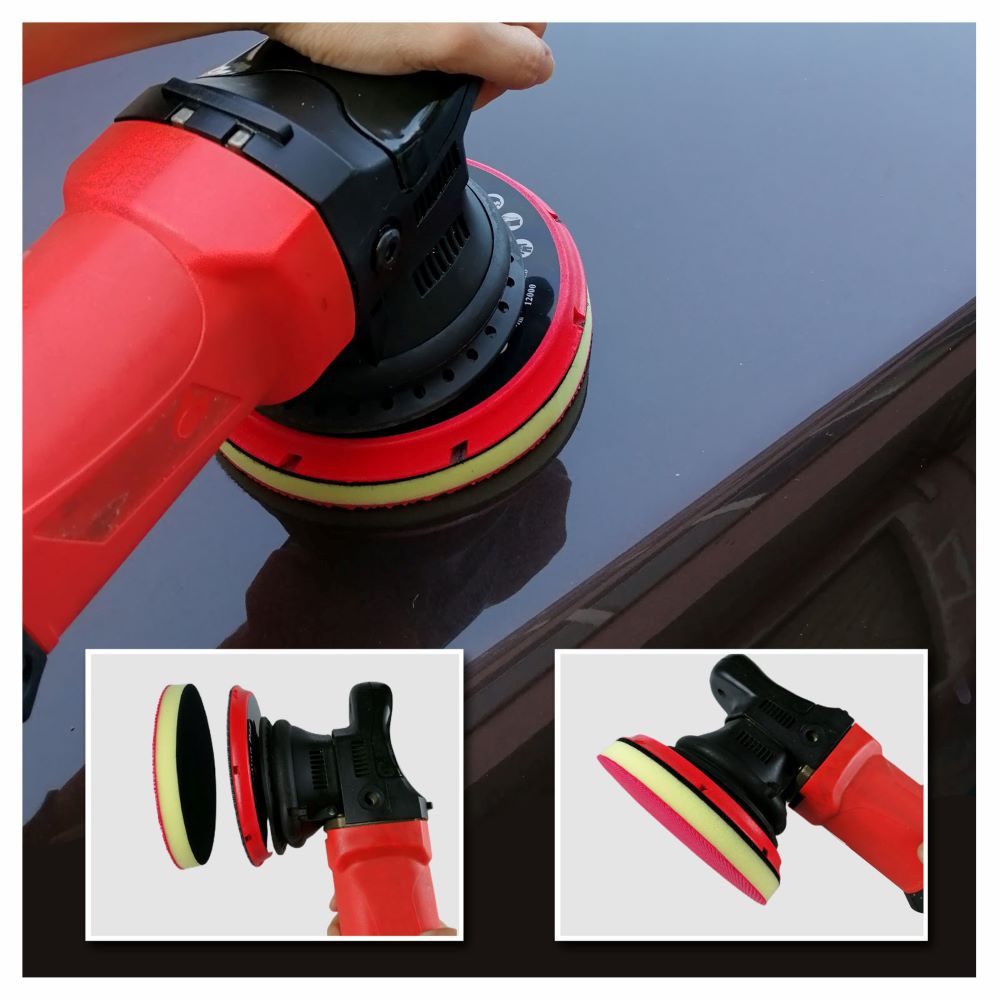
Choosing the best wax for an expensive car comes down to balancing factors such as durability, ease of application, and the desired level of shine. Whether you opt for the rich depth of carnauba wax or the extended protection of synthetic or ceramic coatings, maintaining a flawless finish requires the right product and a bit of care.
For the ultimate in protection and shine, consider a hybrid approach: use a carnauba wax for the visual appeal and top it off with a synthetic or ceramic coating for long-term durability. Regardless of which option you choose, the key is consistency—regularly applying high-quality wax will ensure that your car remains in pristine condition for years to come.
1.How often should I wax my expensive car? Wax your car every 1 to 3 months, depending on the type of wax you use. Ceramic coatings require less frequent reapplication, while natural waxes need to be reapplied more often.
2.Can I apply wax to a car with a matte finish? No, wax should not be used on matte finishes as it can alter the appearance and cause streaks. Special matte finish products are available.
3.Is ceramic coating worth the investment for my car? Yes, for long-term protection, scratch resistance, and ease of cleaning, ceramic coatings are an excellent choice, especially for high-end cars.
4.Can I use car wax on my headlights? Yes, you can use car wax on headlights, but make sure to clean them thoroughly beforehand to avoid clouding the lens.
5.How do I know if my car needs waxing? If water no longer beads on the surface or if the paint looks dull, it’s time to reapply wax.