Yes, cars benefit from being polished, but it is not strictly necessary. Polishing is part of car maintenance that helps maintain the vehicle's appearance and protect its paintwork. Here's why polishing can be useful:
1. What Does Polishing Do?
- Removes Surface Defects: Over time, cars develop swirl marks, light scratches, water spots, and other minor imperfections from washing, environmental exposure, and everyday use. Polishing uses an abrasive compound that smooths the clear coat, leveling out these imperfections and enhancing the overall appearance.
- Increases Shine: Polishing removes contaminants that have become embedded in the paint and clears away oxidation (a chalky layer that can form due to sun exposure), revealing a fresh, smooth layer of paint underneath, which increases the car’s shine and reflectiveness.
2. Types of Polish
- Compounds: These are heavy-duty polishes that contain more abrasive particles and are used to remove deeper scratches or heavily oxidized paint. Compounding should be done sparingly and by professionals if possible.
- Finishing Polish: This is a finer polish with less abrasive material, used after compounding or on cars with minor imperfections. It smooths the surface and enhances gloss.
- All-in-One Products: These products often combine polish with a protective wax or sealant, offering both correction and protection in one step. They are less aggressive but useful for light polishing.
3. How Often Should You Polish Your Car?
Polishing is different from regular washing and waxing, and overdoing it can wear down the car’s clear coat. The clear coat is a transparent layer that protects the paint from the elements, and it gets thinner with each polish. A good rule of thumb is to polish your car:
- Once or twice a year: This frequency is typical for most cars, especially if they are exposed to mild weather conditions and are regularly cleaned and waxed.
- When you notice significant imperfections: If swirl marks, scratches, or fading start to become noticeable, polishing may be needed.
- Prior to applying wax or sealant: Polishing ensures the paint surface is clean and smooth, allowing wax or sealant to adhere better and last longer.
4. Difference Between Polishing and Waxing
- Polishing: Corrects the paint surface by using abrasive compounds to smooth out imperfections. It does not add any protection to the paint but restores clarity and shine.
- Waxing/Sealing: Adds a protective layer over the polished paint, shielding it from UV rays, contaminants, and water. It enhances the car's shine but doesn’t correct the paint. Waxing should be done more frequently—every 2-3 months—depending on exposure to the elements.
5. Benefits of Car Polishing
- Paint Correction: Over time, road debris, dust, sand, and other materials cause light scratches. Polishing removes these scratches, making the car look new again.
- Restores Luster: Sunlight and environmental factors like pollution can dull your paint. A good polish removes this layer of oxidation, bringing back the original vibrance and luster of the paint.
- Prepares the Paint for Protection: Polishing creates an ideal surface for wax or ceramic coating to bond. This ensures that protective layers like wax last longer and perform better.
- Prevents Further Damage: By keeping the paint smooth and free from scratches, you prevent contaminants like dirt, water, and road salt from penetrating the paint layer and causing rust or corrosion.
6. How to Polish a Car: A Step-by-Step Guide
Polishing can be done by hand or using a machine (rotary or dual-action polishers). Here's a general outline:
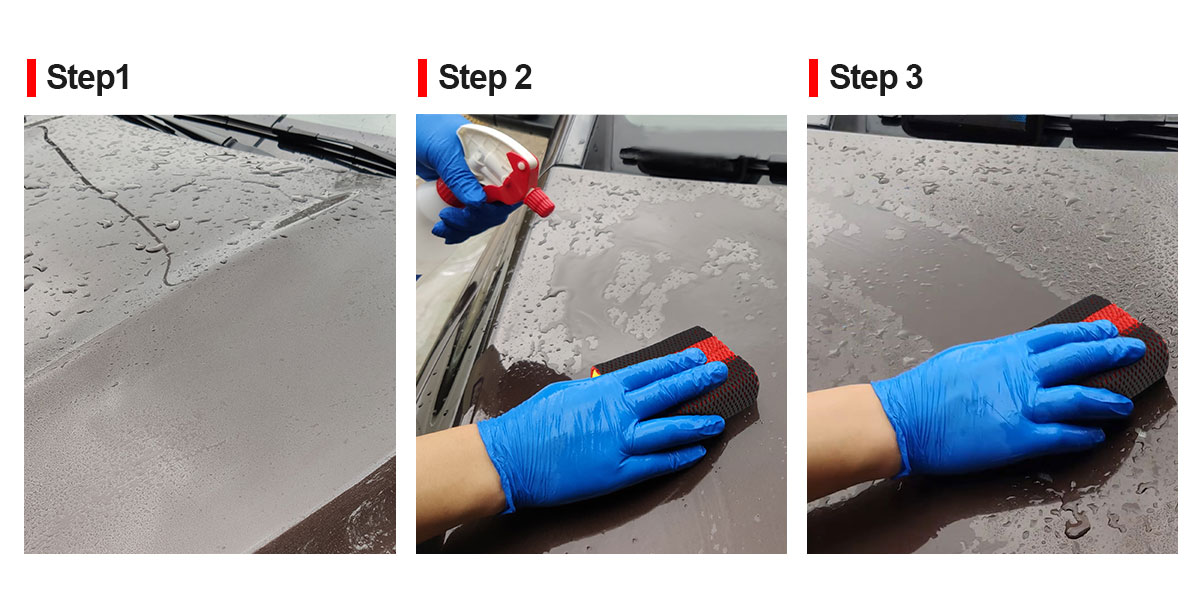
1.Wash the Car: Start by thoroughly cleaning the car’s surface to remove dirt and debris. Any contaminants left on the paint can cause scratches during polishing.
2.Clay Bar Treatment (Optional): Using a clay bar removes embedded contaminants like tree sap or road tar that regular washing may not remove. This step is crucial if the paint feels rough to the touch.
3.Choose the Right Polish: Select a polish based on the condition of the paint. Heavier polishes are for more severe defects, while fine polishes handle minor issues.
4.Application:
If polishing by hand, apply a small amount of polish to a foam or microfiber applicator pad and work it in small sections using circular motions.If using a machine polisher, apply the polish to a pad and work it at a low-to-medium speed, applying even pressure.
5.Buff Off Residue: Once the polish has worked into the paint and done its job, use a clean microfiber towel to buff away any remaining residue, leaving a clean and glossy finish.
6.Apply a Protective Layer: After polishing, it’s important to apply wax, sealant, or ceramic coating to protect the newly restored paint. This will lock in the shine and provide a barrier against contaminants.
7. When to Avoid Polishing
- Excessive Wear: If the car has been polished many times, the clear coat may be too thin for more polishing, as aggressive compounds could wear through the paint.
- Damaged or Peeling Paint: Polishing won’t fix deep paint issues like peeling or chipping. In these cases, a professional paint correction or repainting might be necessary.
- 8. Professional vs. DIY Polishing
- DIY: If your car has light scratches or swirls, you can likely polish it yourself using over-the-counter products. Hand polishing works well for minor issues, but machine polishing is better for larger, more noticeable imperfections.
- Professional: For more extensive paint correction or if you’re unsure about using a machine polisher, it’s best to visit a professional detailer. They have the right tools, expertise, and products to safely correct your car’s paint.
Conclusion
Polishing is a valuable part of maintaining your car's appearance and protecting its paint. Though not required frequently, polishing can remove defects, enhance shine, and ensure the vehicle looks its best over time. Just be sure not to overdo it, as it can wear down the clear coat if performed too often or with overly aggressive products.


