New cars generally do not need waxing immediately because modern vehicles often come with a clear coat layer applied over the paint. This clear coat is designed to protect the car's paint from UV rays, minor abrasions, and environmental factors. However, waxing can still provide additional benefits, even for a new car.
Here’s why you might still want to wax a new car:
1. Clear Coat Protection on New Cars
- Modern cars come with a clear coat layer, which is a transparent, protective layer applied over the colored paint. This layer protects the paint from minor scratches, UV rays, and oxidation.
- Because the clear coat acts as a barrier, many assume waxing is unnecessary. However, the clear coat alone is not impenetrable. Environmental contaminants such as road salt, industrial fallout, bird droppings, and tree sap can still adhere to the surface and damage the paint over time.
2. Wax for Additional Protection
- Waxingadds a sacrificial layer on top of the clear coat. This means that any contaminants, water spots, or light scratches will first affect the wax, not the clear coat itself.
- A high-quality wax can protect against environmental damage such as acid rain, UV radiation, or chemicals from industrial zones. If your car is often parked outside, this extra protection can prevent paint degradation over time.
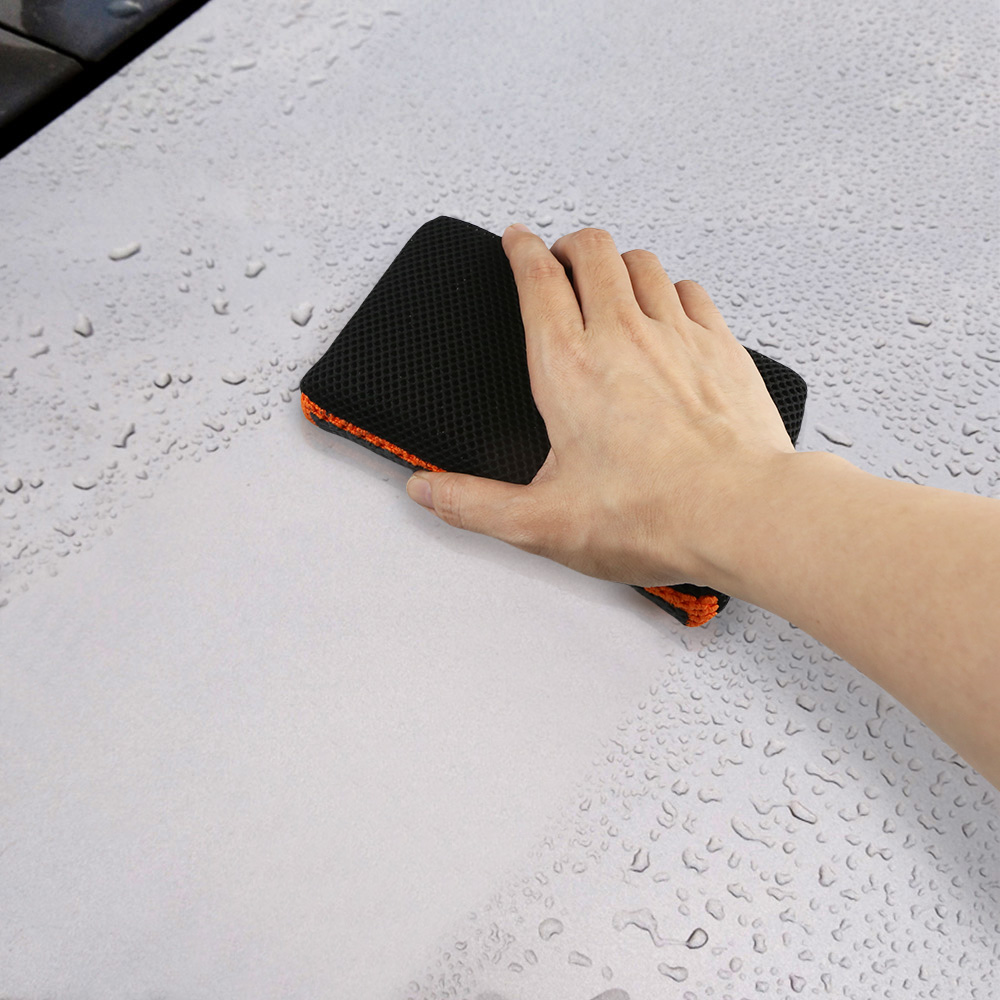
3. Enhanced Gloss and Shine
- Waxing can intensify the natural gloss of a new car’s paint. The reflective properties of wax create a smooth surface, making the paint look more vibrant and polished.
- Waxing regularly ensures that the shine of the new paint stays longer, maintaining the "new car" look.
4. Hydrophobic Properties
- Waxes and sealants often have hydrophobic qualities, meaning water will bead and roll off the surface more easily. This reduces water spots and makes it easier to wash off dirt, grime, and other pollutants.
- When your car is waxed, rainwater and contaminants are less likely to adhere to the surface, making it easier to clean.
5. Easier Maintenance
- A waxed car is easier to maintain. Dirt, bird droppings, and road grime are less likely to stick to the surface, which can help extend the time between washes.
- Cleaning becomes quicker and less abrasive since contaminants don’t cling as firmly to a waxed surface.
6. Different Types of Waxes and Sealants
- Natural Carnauba Wax: This is a popular choice for car enthusiasts because it provides a deep, warm shine. However, it doesn't last as long as synthetic waxes (typically 1-3 months).
- Synthetic Wax or Sealant: This option lasts longer, providing durable protection (3-6 months), but the shine may not be as "deep" as carnauba wax. Sealants are a popular choice for people who prefer long-term protection with minimal upkeep.
- Ceramic Coatings: While not a wax, these coatings provide long-term protection (1-3 years) and are often applied to new cars for enhanced durability. They form a much harder layer over the paint compared to waxes.
7. Timing: When Should You Wax a New Car?
- New cars typically don’t need waxing right away since the factory finish and clear coat are in pristine condition. However, after 1-3 months, or following a few washes, you might want to apply wax.
- Be sure to check with the dealer if they’ve already applied a protective layer such as a paint sealant, as waxing too early could interfere with the existing treatment.
8. Paint Curing Time
- Paint on new cars is fully cured by the time they reach the dealership. Unlike repainted cars, which require time for the paint to cure before waxing, a brand-new car doesn’t have this limitation. You can apply wax to a new car whenever you feel necessary.
9. Environmental Considerations
- If you live in areas with harsh environmental conditions (e.g., coastal areas with salty air, places with a lot of industrial fallout, or regions with severe winter road treatments), waxing becomes more essential. These elements can degrade your car’s finish more quickly, making protective measures like waxing more beneficial.
10. Frequency of Waxing
- While some waxes need reapplication every 2-3 months, synthetic waxes and ceramic coatings can last longer—6 months to a year.
- The frequency of waxing also depends on how often the car is exposed to environmental factors, how often you wash it, and whether it’s parked outdoors or in a garage.
Practical Waxing Tips:
- Prep the Surface: Even on a new car, it's important to wash and dry the car thoroughly before applying wax. Any debris on the surface can scratch the paint during waxing.
- Test a Small Area: Before applying wax to the entire car, it's wise to test a small area to ensure compatibility and that you like the finish.
- Use Quality Products: Opt for high-quality waxes and application tools (such as Brilliatech’s microfiber towels or foam applicators) to avoid causing damage or leaving streaks.
While a new car’s finish is already in excellent condition, applying a high-quality wax can extend that pristine look and offer added protection. It is recommended to start waxing a new car after a few months or after the first wash.


