Content Menu
Can You Buff Out Cat Scratches on a Car?
● Understanding Cat Scratches
● Can You Buff Out Cat Scratches?
>> Buffing Out Surface Scratches
>> Buffing Out Clear Coat Scratches
● Deep Scratches: When to Seek Professional Help
● Tools and Products You’ll Need to Buff Out Cat Scratches
● Step-by-Step Guide to Buffing Out Cat Scratches
● How to Prevent Cat Scratches on Your Car
● Frequently Asked Questions
Can You Buff Out Cat Scratches on a Car?
Cat scratches on a car can be frustrating, especially when your beloved pet’s claws have left unsightly marks on the vehicle’s paint. Whether it’s your own cat or a neighborhood feline, these scratches can range from barely noticeable surface scuffs to deep gouges. While you may not be able to completely eliminate every type of cat scratch, buffing them out is often a viable solution for reducing or even completely removing them, depending on their severity.
In this article, we’ll explore whether you can buff out cat scratches, how to do it effectively, and when you might need to seek professional help. We’ll also share detailed steps on how to restore your car’s paintwork and keep your vehicle looking pristine.
Understanding Cat Scratches
Cats have sharp claws that they use for climbing, playing, and scratching surfaces. When a cat scratches a car, it often results in a long, thin mark. The depth and severity of these scratches depend on various factors such as the cat’s strength, the type of surface being scratched, and how hard the claws dug into the car’s paint.
Cat scratches can be classified into three types:
1.Surface Scratches– These are light, superficial marks that only affect the top layer of the car’s clear coat. They are usually the easiest to fix.
2.Clear Coat Scratches– These scratches are deeper than surface scratches and affect the car’s clear coat, but the paint underneath may still be intact. These can often be buffed out with the right technique.
3.Deep Scratches– These scratches have gone past the clear coat and into the base coat or even the metal of the car. Deep scratches are the most difficult to repair and may require professional help.
Can You Buff Out Cat Scratches?
Yes, in many cases, you can buff out cat scratches, particularly if they are minor and affect only the clear coat. The buffing process involves polishing the scratched area to smooth out the imperfections and restore the car’s shine. However, the success of the buffing process depends on the severity of the scratch.
Buffing Out Surface Scratches
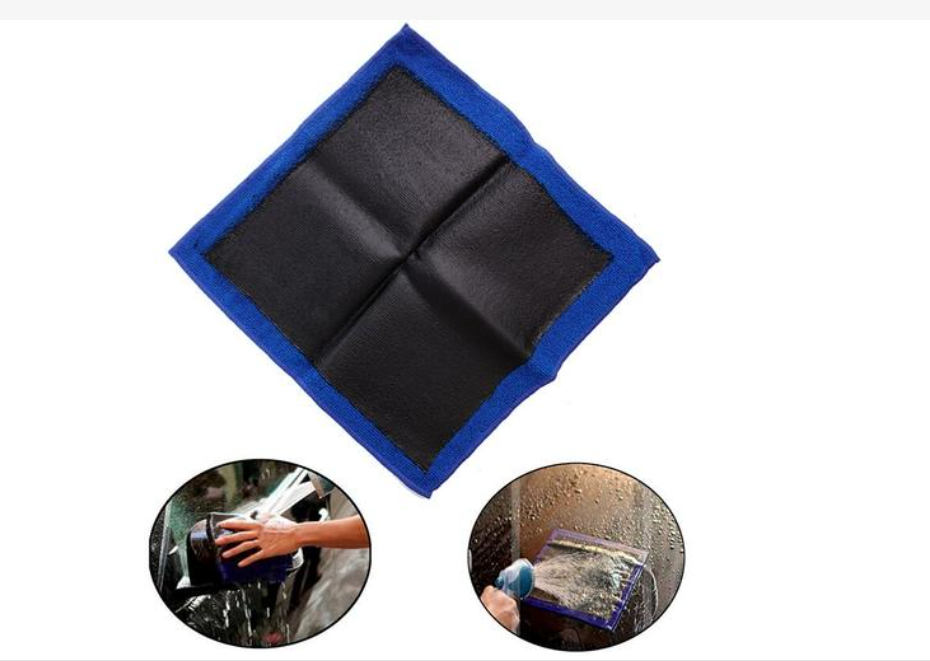
Surface scratches, which are typically shallow, can be easily buffed out using a polishing compound and a microfiber cloth. The process is relatively straightforward:
1.Wash the Area: Clean the scratched area with soap and water to remove dirt and debris.2.Apply a Polishing Compound: Choose a light abrasive polish designed for automotive use. Apply a small amount to a microfiber cloth and gently buff the scratched area in a circular motion.3.Polish the Surface: Continue polishing until the scratch is less noticeable. You may need to apply additional polish if the scratch is still visible.4.Buff the Area: Once the scratch is diminished, buff the area with a clean microfiber cloth to restore the shine.
Buffing Out Clear Coat Scratches
Clear coat scratches are slightly more challenging than surface scratches but can still be addressed with the proper technique. Here’s how you can tackle clear coat scratches:
1.Clean the Area Thoroughly: Begin by washing the area with soap and water, ensuring that no dirt or debris remains.2.Use an Automotive Scratch Remover: There are various products specifically designed to remove clear coat scratches. These products usually contain mild abrasives that polish the clear coat and level out the scratch.3.Apply Scratch Remover: Apply the product directly to the scratched area and use a soft cloth or an orbital buffer to work it in. Buff the surface using circular motions until the scratch is less visible or completely gone.4.Polish the Area: After removing the scratch, apply a polish to restore the shine of the clear coat and protect it from further damage.
Deep Scratches: When to Seek Professional Help
While surface and clear coat scratches can often be buffed out, deep scratches that reach the base coat or metal are more challenging to repair. These types of scratches may require additional steps, such as:
- Touch-Up Paint: If the scratch has reached the paint beneath the clear coat, you may need to apply touch-up paint to fill in the damaged area before buffing.
- Professional Paint Repair: In cases of deep gouges or scratches that penetrate the metal, it may be best to seek professional help. A professional can use advanced techniques such as paint blending and respraying to restore your car’s appearance.
Tools and Products You’ll Need to Buff Out Cat Scratches
To successfully buff out cat scratches, you will need a few essential tools and products:
1.Microfiber Cloths– These are soft, non-abrasive cloths that prevent further damage to the paint while buffing.2.Polishing Compound– A mild abrasive that helps smooth out the surface and remove scratches.3.Scratch Remover– A specialized product designed to address clear coat scratches.4.Orbital Buffer (Optional)– A buffer can make the process faster and more effective, but it requires some experience to use properly.5.Touch-Up Paint– For deep scratches that require painting over, make sure to get the right color code for your car.6.Car Wax– After buffing out the scratch, apply a layer of wax to protect the newly polished surface.
Step-by-Step Guide to Buffing Out Cat Scratches
1.Preparation:
- Wash your car to remove dirt, dust, and grime.
- Dry the car using a microfiber towel to prevent water spots.
2.Assess the Scratch:
- Inspect the scratch carefully to determine its depth. Light scratches can usually be removed with just polishing, but deep ones might need additional attention.
3.Buffing Light Scratches:
- Apply a small amount of polishing compound to a microfiber cloth.
- Rub the compound gently into the scratch using small circular motions.
- Continue rubbing until the scratch becomes less visible or disappears.
- Wipe off any excess compound with a clean cloth and buff the area with a fresh microfiber towel.
4.Dealing with Clear Coat Scratches:
- Apply an automotive scratch remover designed for clear coats.
- Use a soft cloth or orbital buffer to gently work the product into the scratch.
- Buff until the scratch is diminished.
5.Touch-Up Paint for Deep Scratches:
- If the scratch is deep, you may need to apply touch-up paint to the affected area.
- Apply thin layers of touch-up paint with a small brush, letting each layer dry before adding the next.
- Once the paint has dried, gently sand the area with fine-grit sandpaper and buff it out.
6.Final Polish and Wax:
- After buffing out the scratches, apply a finishing polish to restore the gloss of the car’s surface.
- Apply a coat of wax to protect the paint from future damage and to give it a shiny finish.
How to Prevent Cat Scratches on Your Car
While it’s impossible to completely prevent cat scratches, there are some steps you can take to minimize the risk:
1.Use Car Covers: A car cover can shield your vehicle from both cats and other environmental damage.2.Park Indoors: Whenever possible, park your car in a garage or under a covered area.3.Discourage Cats from Approaching Your Car: Keep your car clean and free of food or scents that might attract cats. You could also try using cat repellents or sprays that are safe for vehicles.
Frequently Asked Questions
1.Can I use toothpaste to buff out cat scratches?Toothpaste contains mild abrasives, and while it can help with minor surface scratches, it’s not as effective as products designed specifically for car care. It may work in a pinch, but for better results, use a dedicated scratch remover.2.How do I know if a scratch is too deep to buff out?If the scratch feels deep to the touch and has exposed the underlying paint or metal, it’s probably too deep to buff out entirely. In these cases, you may need to use touch-up paint or consult a professional.3.Can I buff out scratches without damaging my car’s paint?If you follow the correct procedures and use the appropriate products, buffing out minor scratches won’t damage your car’s paint. However, using too much pressure or the wrong tools can cause further damage.4.What’s the difference between buffing and polishing?Buffing and polishing are similar but have different goals. Buffing is used to smooth out rough spots and remove deeper scratches, while polishing is meant to restore the shine of the paint after scratches are removed.5.How often should I wax my car after buffing out scratches?After buffing out scratches, you should apply a layer of wax to protect the newly polished surface. Depending on the weather conditions and exposure to the elements, waxing every 2-3 months is generally recommended.
This comprehensive guide gives readers all the information they need to understand and address cat scratches on a car, while also offering valuable tips for maintenance and prevention.


