
Car polishing is an important step in maintaining and restoring a vehicle's paintwork. Here's a breakdown of how polishing helps with paint imperfections:
1. What is Car Polishing?
Polishing involves using an abrasive compound (polish) that works by removing a very thin layer of the clear coat or top layer of paint to smooth out imperfections. This process is done either by hand or, more effectively, with a machine polisher.
2. How It Fixes Paint Imperfections
Polishing addresses several types of paint imperfections:
-
Swirl Marks: These are fine scratches typically caused by improper washing techniques. Polishing removes the top layer where these scratches exist, effectively eliminating them.
-
Light Scratches: Minor scratches that haven’t penetrated the clear coat can be smoothed out through polishing. If you can’t feel the scratch with your fingernail, there’s a good chance polishing can remove it.
-
Oxidation: This occurs when the paint fades or becomes dull due to exposure to UV rays. Polishing removes the oxidized layer of paint, restoring a glossy finish.
-
Water Spots: When water dries on the surface of the car, it can leave mineral deposits that cause spots. Polishing helps remove these spots by smoothing out the paint surface.
-
Etching from Bird Droppings or Bugs: Acidic substances like bird droppings or bug splatter can etch into the clear coat if left for too long. Polishing can smooth out these etched areas.
-
Holograms: These are a result of improper polishing with a machine, where circular patterns or lines appear on the paint. Re-polishing with the correct technique can remove these holograms.
3. Different Types of Polishing Compounds
Polishing compounds come in different levels of abrasiveness:
-
Cutting Compounds: These are highly abrasive and used for significant imperfections like deep scratches or heavy oxidation. They remove more of the clear coat, so they should be used with caution.
-
Medium Polishes: These are less abrasive and are typically used for moderate imperfections like swirl marks, light scratches, and mild oxidation.
-
Finishing Polishes: These are the least abrasive and are used to refine the surface, giving it a smooth and glossy finish. Finishing polishes are ideal for light imperfections and for adding shine after using a more abrasive compound.
4. Process of Polishing a Car
-
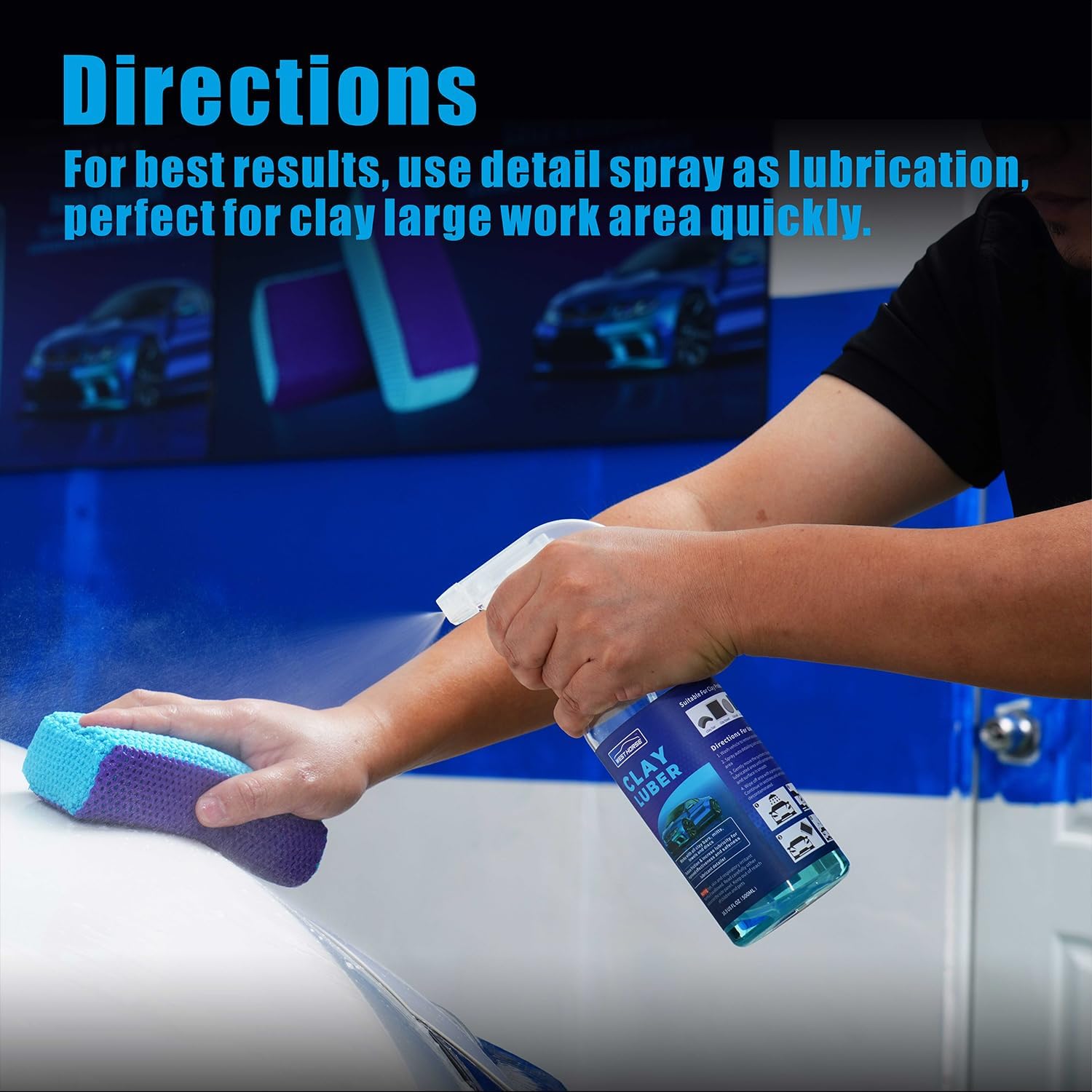
Step 1: Washing and Decontamination: The car must be thoroughly washed and decontaminated (using a clay bar) to remove dirt, dust, and other contaminants before polishing. This prevents further scratches during the polishing process.
-
Step 2: Polishing: Using either a hand applicator or a machine polisher, the polish is worked into the paint in small, circular motions. Machine polishers are preferred because they provide more consistent results and are less labor-intensive.
-
Step 3: Inspection: After polishing, the surface should be inspected under good lighting to ensure imperfections have been removed.
-
Step 4: Refining and Sealing: After polishing, it’s essential to seal the paint with wax, a sealant, or a ceramic coating. This step protects the freshly polished paint from future damage and adds extra shine.
5. What Polishing Can’t Fix
While polishing is great for minor imperfections, it can’t fix:
-
Deep Scratches: If the scratch has gone through the clear coat and into the color coat or metal, polishing alone won’t fix it. These deep scratches may require touch-up paint or repainting.
-
Chips in Paint: Polishing can’t fill in chips where paint has been removed.
-
Clear Coat Failure: If the clear coat has begun to peel or flake off, polishing will not restore it, and repainting is needed.
6. Risks of Over-Polishing
Since polishing removes a small layer of the clear coat, frequent or aggressive polishing can wear down the clear coat over time, making the paint more susceptible to damage. That's why it’s recommended to polish only when necessary.
7. Conclusion
Polishing is a highly effective method for restoring a car’s paint to its former shine and removing most minor imperfections. By carefully selecting the right polish and technique, you can achieve a smooth, mirror-like finish. However, for severe damage or deep scratches, further repair methods may be required.


