
Using clay blocks (or clay bars) before waxing is a critical step in the car detailing process. This practice offers several benefits that ensure the best possible outcome for your vehicle's paint. Here’s why using a clay block before waxing is important:
Reasons for Using Clay Blocks Before Waxing
1.Removal of Bonded Contaminants:
Invisible to the Naked Eye: Even after washing, the car’s surface can still have bonded contaminants like tree sap, industrial fallout, brake dust, tar, and other pollutants that regular washing cannot remove.
Surface Preparation: Clay blocks effectively remove these stubborn contaminants, creating a clean surface that is essential for the subsequent detailing steps.
2.Improved Surface Smoothness:
Smooth Finish: Claying the surface makes it incredibly smooth by removing any roughness caused by embedded contaminants.
Enhanced Shine: A smooth surface reflects light better, resulting in a deeper, more reflective shine once the wax is applied.
3.Better Wax Adhesion:
Effective Bonding: Wax adheres much better to a clean, contaminant-free surface. This improves the durability and effectiveness of the wax.
Longevity of Protection: Better adhesion means the wax will last longer, providing extended protection against environmental elements.
4.Enhanced Polishing Results:
Avoiding Abrasive Damage: Polishing over contaminants can cause scratches and swirl marks. Claying removes these contaminants, ensuring the polishing process does not damage the paint.
Optimized Polish Performance: A contaminant-free surface allows the polish to work more effectively, enhancing the paint’s clarity and gloss.
5.Overall Paint Health:
Preventing Paint Damage: Bonded contaminants can eventually penetrate the clear coat and cause damage to the paint over time. Removing them with a clay block helps preserve the integrity of the paint.
Maintaining Resale Value: Regular claying and waxing maintain the car’s exterior in top condition, which can help retain its resale value.
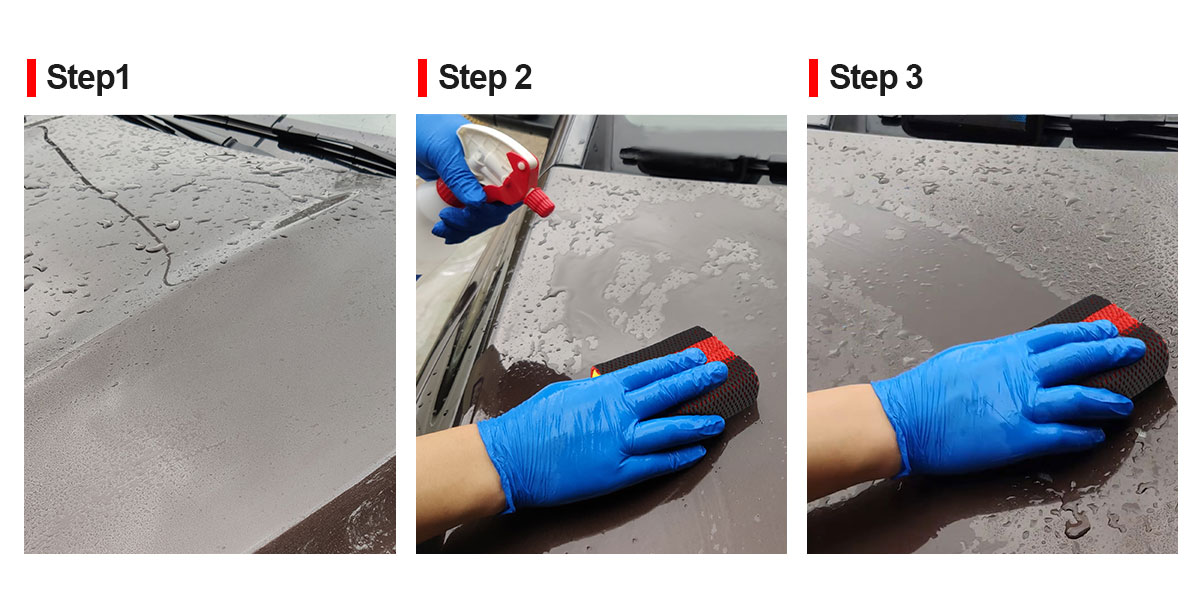
Process Summary
1.Wash and Dry: Thoroughly wash and dry the car to remove loose dirt and debris.
2.Clay Block Use: Glide the clay block over the lubricated surface to remove bonded contaminants, working in small sections and using plenty of lubricant.
3.Polish (Optional): After claying, polish the car to remove minor imperfections and enhance the paint’s shine.
4.Waxing: Apply a high-quality wax to protect the paint and provide a long-lasting shine.
By incorporating clay block use into your car detailing routine, you ensure that the surface is optimally prepared for waxing. This not only enhances the appearance of your vehicle but also prolongs the protective effects of the wax, keeping your car looking its best for a longer period.


