Content Menu
What is Needed for Car Detailing?
● 1. Exterior Detailing Essentials
>> A. Washing and Cleaning
>> B. Decontamination
>> C. Polishing
>> D. Protection
>> E. Wheels and Tires
● 2. Interior Detailing Essentials
>> A. Vacuuming
>> B. Upholstery Cleaning
>> C. Dashboard and Panels
>> D. Glass Cleaning
>> E. Odor Elimination
● 3. Tools and Equipment for Professional Detailing
>> A. Pressure Washers
>> B. Foam Cannons
>> C. Steam Cleaners
>> D. Lights
>> E. Detailing Brushes
● 4. Chemicals and Consumables
>> A. Detailing Sprays
>> B. Degreasers
>> C. All-Purpose Cleaners (APCs)
>> D. Specialized Coatings
● 5. Advanced Detailing Techniques
>> A. Wet Sanding
>> B. Engine Bay Cleaning
>> C. Ceramic Coating Application
>> D. Paint Protection Film (PPF)
● 6. Setting Up a Detailing Business
● 7. Tips for Detailing Success
● Frequently Asked Questions
What is Needed for Car Detailing?
Car detailing is an art and science that goes far beyond a simple car wash. It involves a comprehensive cleaning, restoration, and protection process for both the interior and exterior of a vehicle. The goal is not only to make the car look as good as new but also to enhance its longevity and value. In this article, we’ll explore everything needed for professional car detailing, including essential tools, materials, and processes.
1. Exterior Detailing Essentials
The exterior of a vehicle is what most people notice first. Proper detailing can restore its shine and protect it from environmental damage.
A. Washing and Cleaning
- Buckets and Grit Guards: Use a two-bucket system—one for soapy water and the other for rinsing. Grit guards help prevent dirt from transferring back onto your wash mitt.
- Microfiber Wash Mitts: Gentle on paintwork and highly effective in removing dirt without scratching.
- pH-Neutral Car Shampoo: Ensures effective cleaning without stripping existing wax or sealant.
B. Decontamination
- Iron Removers: Helps dissolve embedded metal particles that can cause rust.
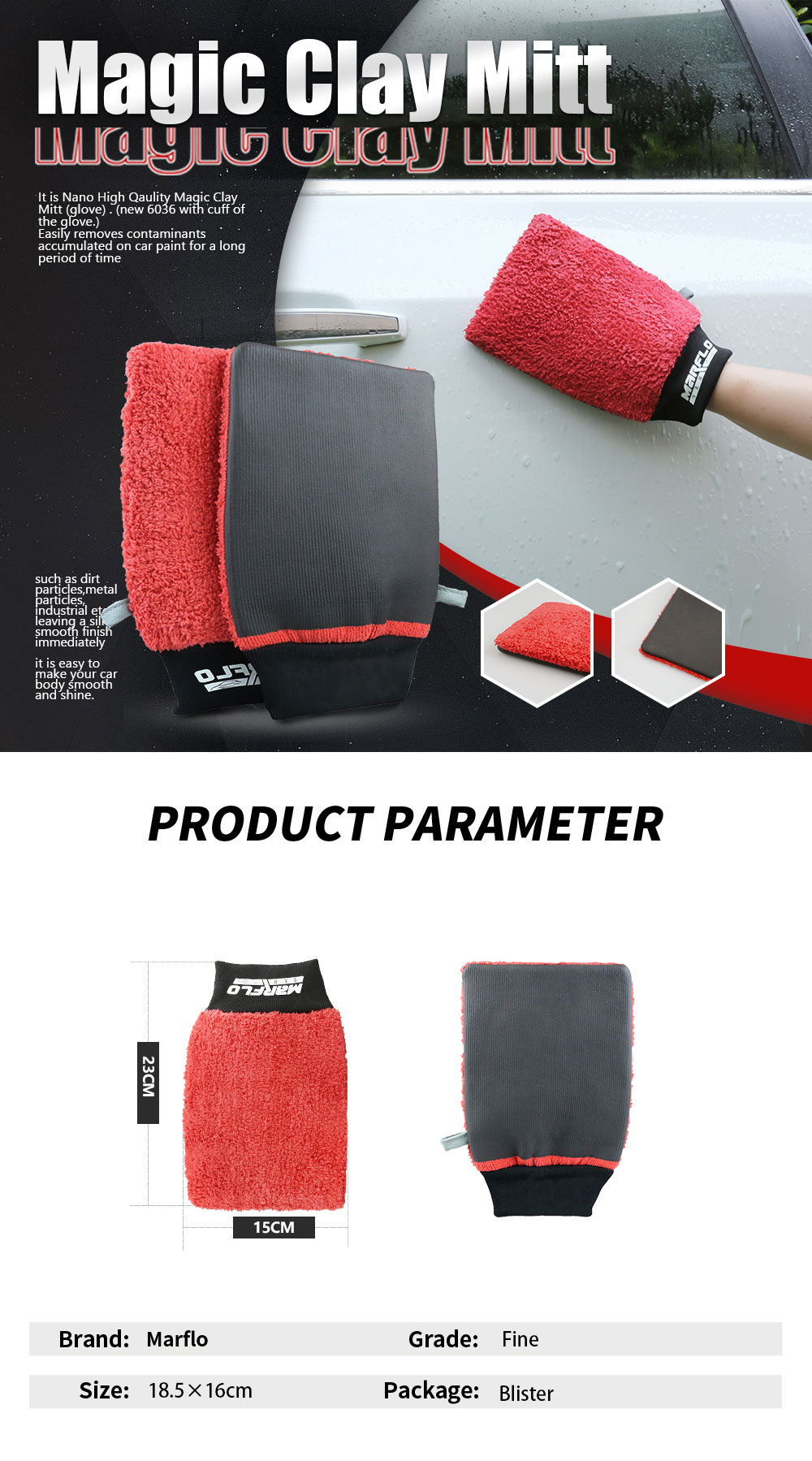
- Clay Bars or Clay Mitts: Removes bonded contaminants, leaving the surface smooth and ready for polishing.
C. Polishing
- Dual-Action Polisher: Essential for correcting minor paint imperfections and restoring gloss.
- Polishing Pads: Choose between cutting, polishing, or finishing pads depending on the level of correction needed.
- Polishing Compounds: Ranging from heavy-cut compounds to fine finishing polishes.
D. Protection
- Car Wax: Provides a natural shine and water-repellent properties.
- Paint Sealants: Longer-lasting than wax and provides excellent protection.
- Ceramic Coatings: A premium option that offers extreme durability and gloss.
E. Wheels and Tires
- Wheel Cleaners: Removes brake dust and grime without damaging the finish.
- Tire Brushes: Stiff enough to clean rubber but gentle enough to avoid damage.
- Tire Dressing: Restores the deep black appearance of tires and adds protection.
2. Interior Detailing Essentials
A clean and well-maintained interior enhances the driving experience and preserves the vehicle's resale value.
A. Vacuuming
- Powerful Vacuum Cleaners: With attachments for cleaning tight spaces, seats, and carpets.
- Crevice Tools: Essential for hard-to-reach areas between seats and door panels.
B. Upholstery Cleaning
- Fabric Cleaners: Removes stains and odors from cloth seats and carpets.
- Leather Cleaners and Conditioners: Cleans and protects leather surfaces, preventing cracking and fading.
C. Dashboard and Panels
- Interior Detailers: Cleans and protects plastic, vinyl, and rubber surfaces.
- Brushes: Soft detailing brushes for vents, buttons, and intricate areas.
D. Glass Cleaning
- Glass Cleaners: Ensures streak-free clarity.
- Glass Towels: Microfiber towels specifically designed for glass surfaces.
E. Odor Elimination
- Air Purifiers or Ozone Generators: Effective for removing persistent odors.
- Interior Fragrances: Adds a fresh scent to the cabin.
3. Tools and Equipment for Professional Detailing
Investing in high-quality tools ensures efficiency and superior results.
A. Pressure Washers
High-pressure washers are indispensable for cleaning the exterior thoroughly and efficiently.
B. Foam Cannons
Produces thick foam that clings to the surface, loosening dirt and contaminants.
C. Steam Cleaners
Ideal for deep-cleaning interiors without the need for harsh chemicals.
D. Lights
LED work lights illuminate imperfections on the paint surface, making correction work more precise.
E. Detailing Brushes
Various sizes and bristle types for cleaning everything from wheels to intricate interior components.
4. Chemicals and Consumables
Choosing the right chemicals is critical for achieving professional results.
A. Detailing Sprays
- Quick detailers for enhancing gloss and providing a protective layer.
B. Degreasers
- Removes tough grime, especially in engine bays.
C. All-Purpose Cleaners (APCs)
- Versatile for cleaning a wide range of surfaces.
D. Specialized Coatings
- Glass coatings for water repellency.
- Plastic and trim restorers for faded exterior parts.
5. Advanced Detailing Techniques
A. Wet Sanding
For deeper scratches or imperfections, wet sanding followed by polishing can restore the surface.
B. Engine Bay Cleaning
Careful cleaning with degreasers and brushes, followed by protective dressing for plastic and rubber components.
C. Ceramic Coating Application
Requires meticulous preparation and application to achieve long-lasting results.
D. Paint Protection Film (PPF)
A transparent film that protects high-impact areas from scratches and chips.
6. Setting Up a Detailing Business
If you’re considering offering professional detailing services, here’s what you’ll need:
- A dedicated space with proper lighting and water drainage.
- High-quality tools and chemicals.
- Training in advanced detailing techniques.
- Marketing materials to attract customers.
7. Tips for Detailing Success
1.Always test new products on a small area before full application.2.Work methodically, starting with the cleanest areas and moving to the dirtiest.3.Maintain your tools by cleaning them after each use.4.Stay updated with the latest detailing products and techniques.
Frequently Asked Questions
Q1: How often should I detail my car?
A: Exterior detailing every 3–6 months is ideal. Interior detailing depends on usage but should be done every few months or sooner if necessary.
Q2: Can I detail my car at home?
A: Yes, with the right tools and products, you can achieve professional results at home.
Q3: What is the difference between waxing and ceramic coating?
A: Waxing provides short-term shine and protection, while ceramic coatings offer long-lasting durability and resistance to environmental damage.
Q4: Is detailing safe for new cars?
A: Absolutely! Detailing can protect the vehicle’s factory finish and maintain its showroom appearance.
Q5: How do I remove scratches from my car?
A: Light scratches can often be removed with polishing compounds, while deeper ones may require wet sanding and professional assistance.
If you would like customized advice, a demonstration video, or recommendations tailored to your car detailing needs, feel free to reach out!


