
Content Menu
What is Included in Car Detailing?
>> 3. Polishing and Paint Correction
>> 4. Waxing or Sealant Application
>> 1. Vacuuming
>> 2. Carpet and Upholstery Cleaning
>> 3. Dashboard and Console Cleaning
>> 4. Window and Mirror Cleaning
● Why is Car Detailing Important?
>> FAQs:
Car detailing goes beyond a simple car wash. It involves a thorough and meticulous process of cleaning, restoring, and protecting all parts of a vehicle, inside and out, to achieve a level of cleanliness and shine that standard car washing just cannot reach. Car detailing aims to bring the car to a like-new condition, making it not only more aesthetically pleasing but also better maintained and protected from the elements.
This comprehensive service can be performed on both the exterior and interior of the car and usually involves several stages, tools, products, and techniques that are aimed at maintaining the vehicle's appearance, performance, and longevity.
The exterior of a car is the most exposed part and is subjected to a variety of elements such as dirt, rain, road salt, bird droppings, and more. The goal of exterior detailing is to restore the paint’s shine and remove imperfections. The key steps involved are as follows:
The process starts with a thorough hand wash. Unlike automatic car washes, which can scratch the paint and leave residue, a hand wash is done carefully using high-quality soaps designed to lift dirt without harming the car’s paint. The wash includes getting into every nook and cranny, such as the wheel wells, door jams, and grills, ensuring that all areas are free from dirt and grime.
After the car is washed and rinsed, a clay bar treatment is often applied. The clay bar is a smooth, synthetic material that is gently rubbed over the paint to remove embedded contaminants such as industrial fallout, tar, and tree sap that regular washing cannot remove. This process leaves the surface feeling smooth and free from roughness, preparing it for the next steps.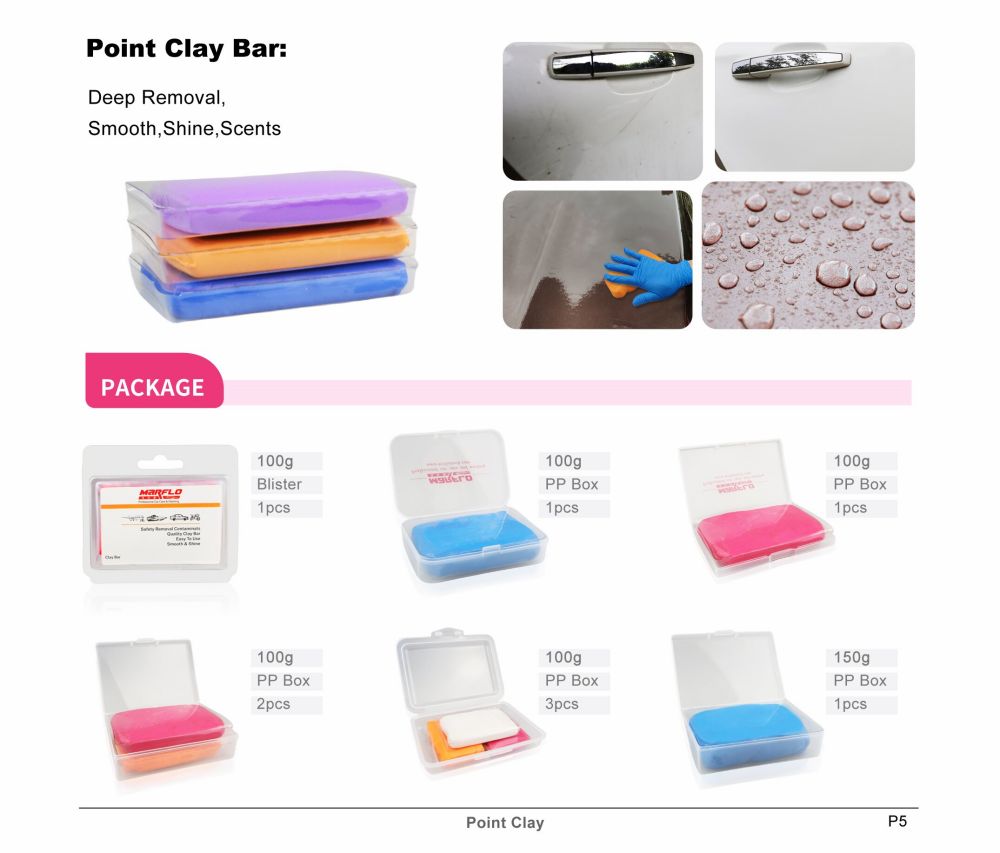
Polishing and paint correction are vital to restoring the car's original shine and eliminating any imperfections such as swirl marks, fine scratches, or oxidation. Professional detailers use a combination of polishing machines and specialized compounds or polishes to correct the paint’s surface. This process can take hours depending on the severity of the imperfections.
To protect the car's paint from future contaminants and to enhance its shine, a protective layer of wax or paint sealant is applied. Wax provides a glossy, wet-look finish and helps to repel water, while paint sealants are more durable, offering long-term protection from environmental contaminants, UV rays, and road salts.
The wheels and tires often collect brake dust, dirt, and road grime, which can stain and damage the surfaces over time. Detailing the wheels involves using specific wheel cleaners that break down brake dust and dirt without damaging the finish. Tires are then dressed with a special tire shine product to give them a deep, black, glossy look.
The glass on a car, including windows and mirrors, needs to be cleaned and treated to remove streaks and water spots. Detailing experts use specialized glass cleaners to ensure perfect clarity and remove any hazy residue. Glass treatment products may also be applied to help with water beading and to improve visibility in rainy conditions.
While not always included in every detailing package, cleaning the engine bay is a common step in a complete car detailing process. It involves carefully cleaning the engine components with specialized degreasers and dressings that restore the engine bay’s appearance and protect the surfaces from corrosion.
While the exterior of the car is often the focus, the interior is just as important to maintain. Interior detailing ensures the cabin is as clean and fresh as possible, which not only enhances the overall driving experience but also helps to maintain the longevity of the upholstery and other interior components.
The first step in interior detailing is a thorough vacuuming. This involves vacuuming the carpets, floor mats, seats, and all fabric upholstery, including under the seats and in hard-to-reach areas. Powerful vacuums and specialized attachments are used to pick up dirt, debris, and dust from the interior of the car.
Carpet and upholstery cleaning is crucial to keeping the interior fresh. Detailers use fabric cleaners and hot water extraction methods to deep clean the carpets and seats, removing stains, odors, and built-up grime. For leather seats, a specialized leather cleaner is used, followed by conditioning to keep the material supple and prevent cracking.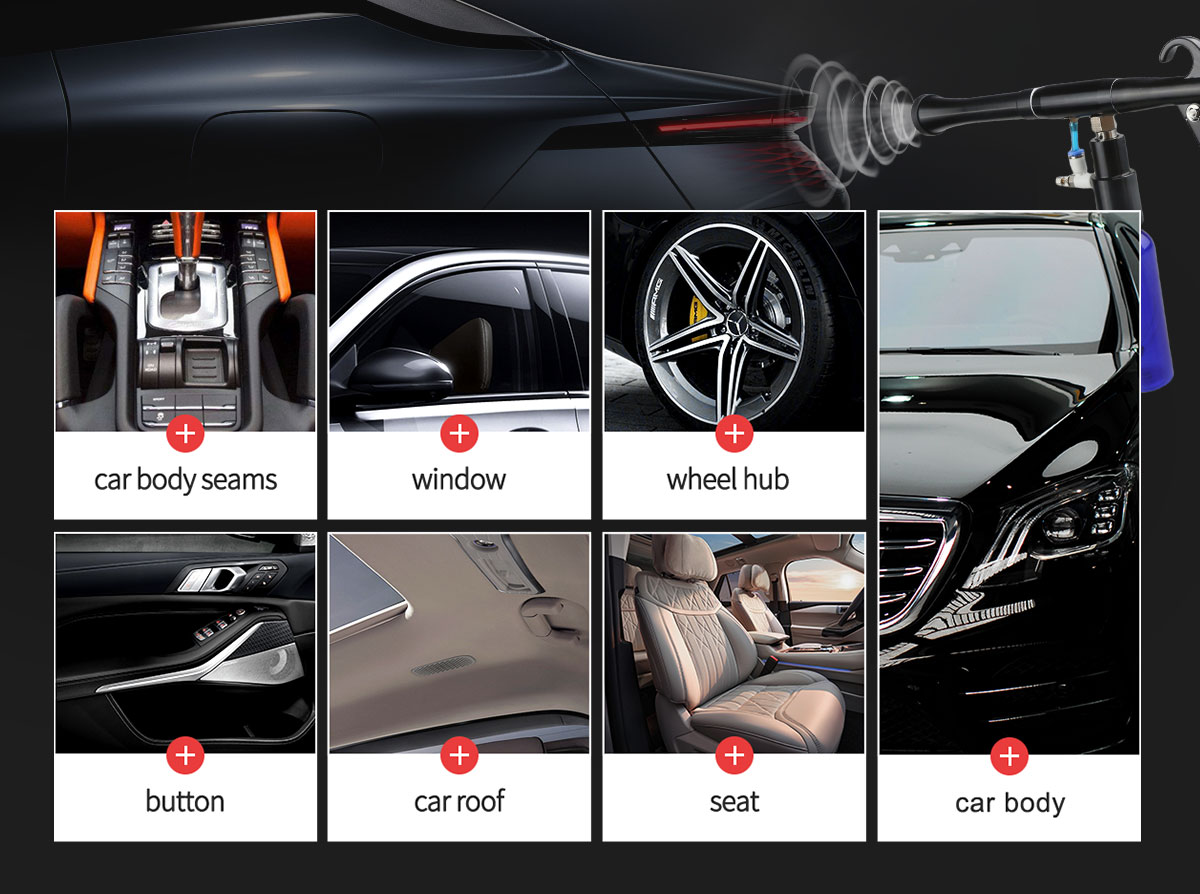
The dashboard and center console often accumulate dust and grime, which can build up in cracks and crevices. Detailers use specialized cleaning products and soft brushes to remove dirt and restore the shine to surfaces such as the dashboard, door panels, and console. A treatment may also be applied to prevent cracking and fading of materials like vinyl and plastic.
As with the exterior, the interior windows and mirrors are cleaned thoroughly to remove streaks, fingerprints, and other residues. Special cleaners for glass are used to ensure that these surfaces remain clear and free of distracting streaks.
Air vents often accumulate dust and debris, which can be blown into the cabin when the air conditioning or heating is on. Professional detailers use small brushes and compressed air to clean these vents, ensuring that the air remains fresh and free of contaminants.
Odor removal is an important part of interior detailing. A variety of methods can be employed, including using air purifiers, odor eliminators, or ozone treatments, to neutralize stubborn smells such as smoke, food, pet odors, or mildew. This ensures the interior smells fresh and clean.
Once the interior has been cleaned, a protective treatment is often applied to upholstery, carpets, and surfaces. This may include fabric protectors for seats and carpets that help prevent stains or UV protectants for dashboards and door panels to prevent fading or cracking.
Car detailing is more than just an aesthetic service. Regular detailing can help protect a vehicle's paint and interior from the harsh elements, maintain its resale value, and improve the overall driving experience. Some of the key benefits of car detailing include:
Car detailing is a comprehensive service that involves a meticulous approach to cleaning, restoring, and protecting every part of your vehicle. Whether you are preparing your car for a special event, maintaining its appearance over time, or protecting its value, detailing ensures that your car remains in top condition inside and out.
The frequency of car detailing depends on the car’s use, environment, and personal preferences. Generally, it’s recommended to detail your car every 4-6 months.
2.Does car detailing remove scratches?
Car detailing includes paint correction, which can help remove minor scratches, swirl marks, and other imperfections. However, deeper scratches may require more advanced treatments.
3.Can I detail my car myself?
While it is possible to detail your car yourself, professional detailers have specialized tools and expertise that can produce superior results, especially for intricate tasks like paint correction and leather conditioning.
4.How long does car detailing take?
A full car detailing service can take anywhere from 3 to 6 hours, depending on the size of the vehicle and the level of detailing required.
5.Is car detailing worth the cost?
Yes, car detailing is an investment in your vehicle’s appearance, protection, and longevity. Regular detailing can maintain your car’s value and keep it looking brand new for years to come.


