
Content Menu
What Are the Budget Retail Clay Bars Like?
● What Makes Budget Retail Clay Bars Different?
>> 2. Effectiveness on Contaminants
● Pros of Budget Retail Clay Bars
● Cons of Budget Retail Clay Bars
● How to Use a Budget Retail Clay Bar
● Comparing Budget and Premium Clay Bars
When it comes to car detailing, enthusiasts often talk about clay bars as one of the most effective tools for achieving a smooth, clean surface. Clay bars are essential in removing contaminants that regular washing might miss. However, when looking to purchase a clay bar, you’ll often face a wide variety of options, including the budget-friendly retail clay bars that are commonly found in stores and online.
In this article, we’ll dive deep into what budget retail clay bars are like, their pros and cons, how they compare to higher-end products, and whether they are a suitable option for everyday car enthusiasts or professional detailers.
Before delving into budget options, it's crucial to understand what a clay bar is and how it works. A clay bar is a specially formulated resin compound used to remove contaminants from the surface of a vehicle. These contaminants could be anything from industrial fallout, tree sap, road tar, or other environmental pollutants that regular car washing cannot remove.
Clay bars work by gently gliding over the surface of the vehicle, picking up contaminants that are embedded in the clear coat. The result is a much smoother, shinier surface that is more receptive to waxing or sealing. It's a critical step in the paint correction process for any vehicle.
Clay bars come in a few different varieties based on their abrasiveness:
1.Fine Grade Clay Bars– These are designed for vehicles that are in relatively good condition and only need a light decontamination.Budget retail clay bars often fall under the fine or medium grade category, although their consistency and quality may vary significantly depending on the brand.
While high-end clay bars often offer superior performance, durability, and consistency, budget retail clay bars are designed to be affordable while still performing the job. Here are some factors that make budget clay bars different from their premium counterparts:
The resin material in budget clay bars is often less refined compared to premium options. Premium clay bars are typically made with high-quality clay that is smoother and more consistent in texture, providing a more even cleaning experience. Budget clay bars, on the other hand, may have inconsistencies in their texture, leading to a rougher or less uniform feel when working on the car.
One of the most significant differences between budget and high-end clay bars is their ability to remove stubborn contaminants. Budget clay bars are generally effective for light decontamination but might struggle with more persistent pollutants like industrial fallout or heavy tree sap. For standard everyday contaminants, however, budget retail clay bars can work surprisingly well.
Higher-end clay bars typically last longer. The material used is more durable and can endure multiple uses before it begins to degrade. Budget clay bars, however, may wear out faster, requiring you to replace them more often. This is because they often use lower-grade materials that break down faster when used on cars with heavier contamination.
Budget clay bars tend to be stiffer and less pliable than higher-end options, making them harder to work with, especially if you're new to detailing. They may require more pressure or effort to mold to the shape of the surface, and they may not glide as smoothly over the paintwork. High-end clay bars, by contrast, are more flexible and easier to manipulate, making them more user-friendly, especially for beginners.
The most significant selling point of budget clay bars is their affordability. Retail clay bars are available at most auto parts stores and online marketplaces at a fraction of the price of professional-grade clay bars. They are an excellent option for someone who is just getting into detailing or who doesn’t want to spend a lot on detailing products.
However, budget-friendly options come with trade-offs, such as reduced durability and performance. But for those looking to do a basic decontamination without breaking the bank, retail clay bars can be a solid choice.
Using a clay bar, whether it’s a budget or high-end product, requires a few key steps to ensure you achieve the best results:
1.Preparation: Wash your car thoroughly to remove any dirt or debris on the surface. The clay bar works best on a clean, wet surface. Many users prefer to use a clay lubricant to ensure the clay bar glides smoothly.
2.Inspect the Surface: After washing, feel the car's surface with your fingers. If it feels rough or bumpy, it’s time to use the clay bar.
3.Break Off a Small Portion: Take a small piece of the clay bar (about the size of a small walnut). Flatten it out into a small disk shape.
4.Clay the Surface: Using a back-and-forth motion, gently glide the clay over the surface, applying light pressure. Keep the surface wet with lubricant to prevent the clay from sticking or marring the paint.
5.Fold and Knead the Clay: Once the clay becomes contaminated, fold it over and knead it to expose a fresh surface. Continue this process until you’ve covered all areas of the car.
6.Final Steps: After claying the entire vehicle, wipe off any excess lubricant and inspect the surface. You should feel a smoother surface that is free of contaminants. Follow up with a wax or sealant to protect the newly cleaned surface.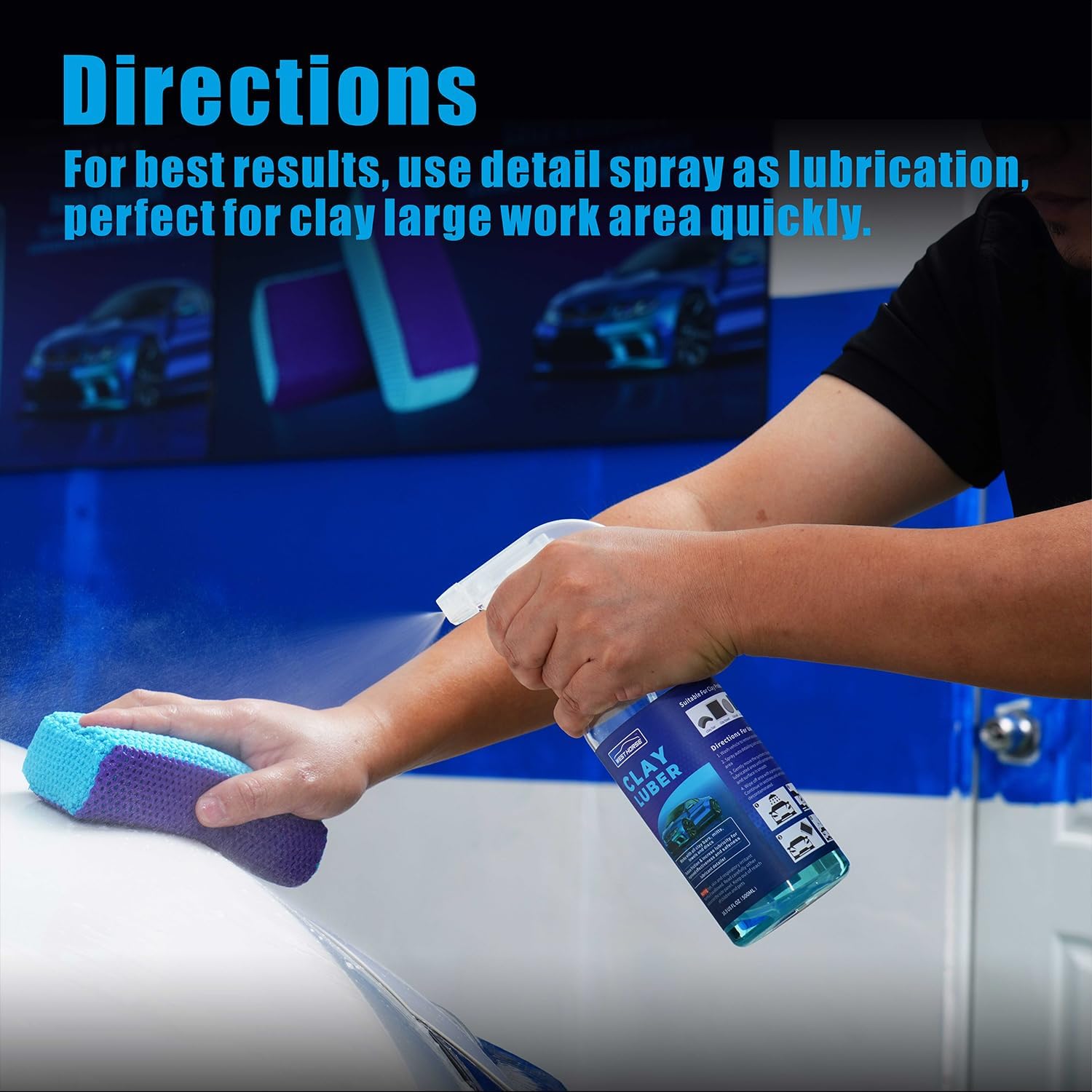
Budget Clay Bars:
Premium Clay Bars:
Budget retail clay bars are an excellent choice for casual car detailers or those on a budget. While they may not have the same durability, smoothness, or performance as their premium counterparts, they are still capable of providing a decent level of surface decontamination for lighter, everyday use. If you’re a hobbyist or first-time user, a retail clay bar may be all you need to achieve a smooth, contaminant-free finish.
For those who are serious about car detailing or who frequently work on heavily contaminated vehicles, investing in a premium clay bar might be worth it in the long run. But for many, a budget retail clay bar can provide good value and results.
1.How often should I replace my clay bar? A: If you're using a budget retail clay bar, you may need to replace it after every few uses, especially if it starts breaking down or getting too contaminated.
2.Can I use a clay bar on other surfaces besides car paint? A: Yes! Clay bars can be used on windows, glass, and even some plastic surfaces, but always test a small area first to ensure no damage occurs.
3.What is the best lubricant for using with a clay bar? A: A dedicated clay bar lubricant is best, but you can also use a quick detailer or even car soap mixed with water in a spray bottle.
4.Will a budget clay bar damage my car's paint? A: If used correctly, a budget clay bar should not damage your car’s paint. Just make sure the surface is lubricated and the clay is not too gritty or contaminated.
5.Can I reuse the clay bar if it gets dirty? A: Yes, you can knead the clay to expose a clean surface, but once it’s too contaminated, it’s best to discard it and replace it.
This article gives a detailed overview of budget retail clay bars, discussing their uses, benefits, and drawbacks, as well as providing practical advice for users.


