Using a water spray gun to clean a car’s body is an efficient way to remove dirt and grime while minimizing the risk of damaging the paint. Here’s a step-by-step guide on how to properly use a water spray gun:
1. Prepare Your Equipment
- Water Spray Gun: Attach it to a garden hose or a pressure washer (ensure it has adjustable pressure settings if using a pressure washer).
- Car Wash Soap: Have car-specific wash soap ready, along with a bucket and a sponge or wash mitt.
- Microfiber Drying Towels: To dry the car after washing.
- Foam Cannon (Optional): For better soap application if using a pressure washer.
2. Rinse the Car Thoroughly
- Set the Spray Pattern: Use a wide fan spray pattern rather than a direct jet of water to avoid damaging the paint or pushing debris into the surface.
- Start from the Top: Begin by spraying the roof of the car and work your way down, rinsing off loose dirt and debris from all surfaces. Spraying from the top helps the dirt flow downward.
- Focus on Wheel Wells and Lower Areas: Pay extra attention to the wheel wells, tires, and lower parts of the car, as these areas collect the most dirt.
3. Apply Car Wash Soap
- Manual Soap Application: Mix car wash soap and water in a bucket, dip the wash mitt or sponge, and gently scrub the car’s body.
- Using a Foam Cannon (Optional): If you have a foam cannon, attach it to the spray gun and cover the car with a thick layer of foam. Let the foam sit for 1-2 minutes to help lift dirt.
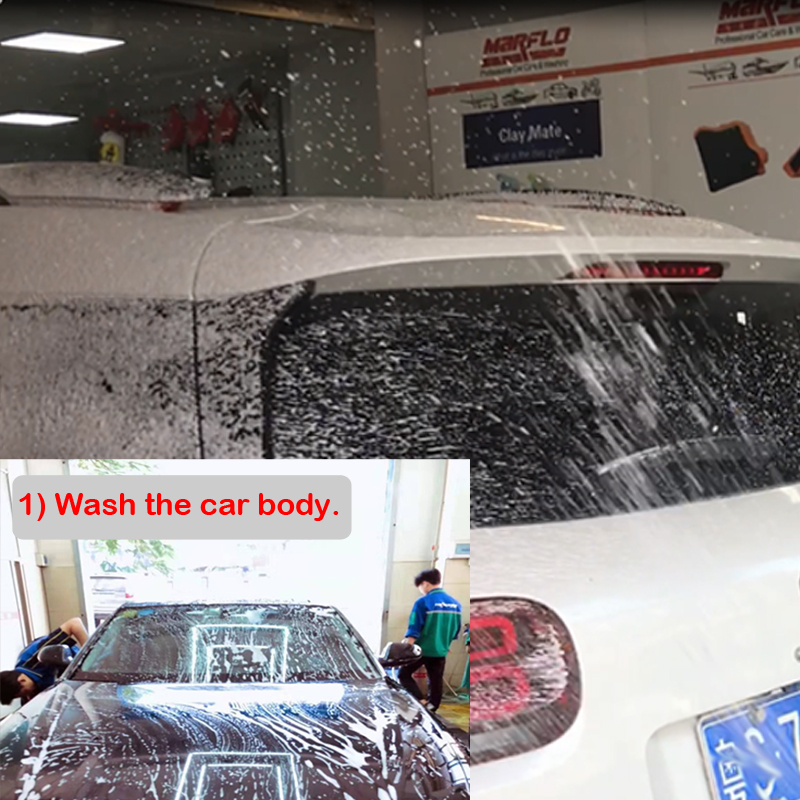
4. Wash the Car
- Wash in Sections: Start with the top of the car (roof, windows, hood, trunk) and move to the sides, doors, and lower panels. Use a back-and-forth motion to avoid swirl marks.
- Rinse the Mitt Frequently: After washing each section, rinse the mitt in a bucket of clean water to remove trapped dirt before reapplying soap.
5. Rinse Off the Soap
- Set the Spray Gun to a Gentle Setting: Use the wide spray pattern again to rinse off the soap, ensuring you remove all residue. Pay attention to hard-to-reach areas, such as the door seams and around mirrors.
- Start at the Top: As with the initial rinse, rinse from the top of the car down to allow gravity to carry the soap and dirt away.
6. Dry the Car
- Dry Immediately: Use microfiber towels to dry the car’s body once rinsed. This prevents water spots from forming. Start with the glass and upper sections, then work your way down.
- Use a Blower (Optional): Some people use a leaf blower or air dryer to blow water out of cracks and crevices, like side mirrors or between panels.
7. Clean Wheels and Tires
- Spray the wheels and tires using a high-pressure spray setting to remove brake dust and dirt.
- Use a wheel cleaner and brush to scrub the rims, then rinse them off.
Tips:
- Pressure Settings: If you’re using a pressure washer, use the lowest pressure necessary (typically under 1500 PSI) to avoid damaging the paint.
- Angle the Spray: Hold the spray gun at a 45-degree angle to the car's surface to help lift dirt without forcing it into the paint.
- Avoid Direct Spray on Delicate Areas: Avoid directly spraying sensitive areas like around windows, seals, and sensors.
This method ensures a thorough clean while protecting your car's paintwork and finishes.


