
Content Menu
How to Buff and Polish a White Car
● Step 1: Gather the Necessary Tools and Products
● Step 2: Wash the Car Thoroughly
Buffing and polishing a white car is an essential aspect of automotive care. Not only does it enhance the car’s appearance, but it also provides an additional layer of protection against the elements. While white is often considered one of the easier colors to maintain, achieving a mirror-like finish still requires the right techniques, tools, and products. This comprehensive guide will walk you through the process of buffing and polishing your white car to ensure a professional-grade finish.
Before you begin, it’s crucial to have the right tools and products. Here’s what you’ll need:
1.Car Wash Soap – Use a pH-neutral car wash soap to avoid damaging the paint during the cleaning process.Before you can begin buffing and polishing, your car needs to be clean. Follow these steps:
1.Pre-Rinse: Rinse the car with water to remove loose dirt and debris.After washing, you may notice that the car's surface feels rough or uneven. This is caused by contaminants like tree sap, industrial fallout, or road tar. A clay bar will help smooth out the paint, making it ideal for buffing and polishing.
1.Lubricate the Surface: Spray a clay lubricant over a section of the paint.After washing and clay bar treatment, it’s important to assess the condition of your car’s paint. Look for imperfections such as swirl marks, scratches, oxidation, or water spots. White paint is particularly sensitive to these issues, and it’s crucial to address them before proceeding with buffing or polishing.
If you notice significant imperfections, a more aggressive polish may be necessary. For light imperfections, a more mild compound will suffice.
Polishing is the process of smoothing out the paint surface, removing defects, and enhancing the overall shine. There are two primary methods of polishing: machine polishing and hand polishing.
Using a dual-action polisher is the fastest and most efficient method for polishing your car. Here’s how to do it:
1.Choose the Right Pad and Compound: Select a cutting pad and an appropriate polishing compound for the severity of the defects. For light imperfections, use a less aggressive compound.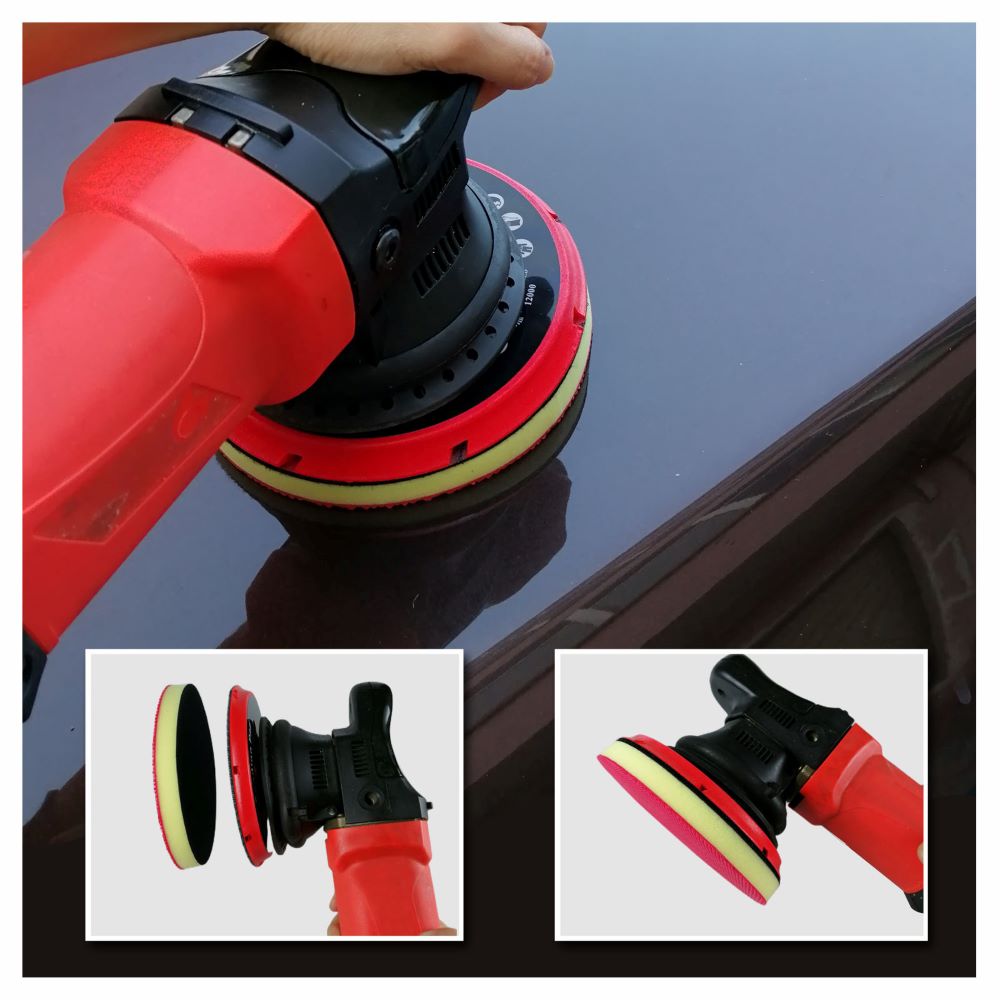
If you’re not using a machine, hand polishing is still an option, but it requires more effort. Here’s how to do it:
1.Apply Polish: Apply a small amount of polish to a foam applicator pad.Buffing is the process of refining the paint after polishing. It’s done to enhance the shine and bring out the depth of the paint.
1.Choose the Right Pad: A finishing pad is best for this step. It’s softer and less aggressive than a cutting pad, which helps bring out the high-gloss finish.Now that you’ve achieved a smooth, glossy finish, it’s time to protect the paint with a layer of wax or sealant. This will shield the paint from environmental contaminants and UV damage.
1.Choose the Right Protection: Depending on your preference, you can apply either a carnauba wax or a synthetic sealant. Carnauba wax offers a deep, warm shine, while sealants provide longer-lasting protection.Once you've finished polishing, buffing, and applying protection, give the car a final inspection. Walk around the car and check for any missed spots, streaks, or imperfections. Make sure that the paint is smooth, shiny, and free of swirls or water spots.
Buffing and polishing a white car is a meticulous but rewarding process. It requires attention to detail, the right tools, and the proper techniques to achieve a flawless finish. By following these steps, you’ll not only restore the car’s shine but also protect the paint from future damage.
1.What’s the difference between buffing and polishing?
Buffing and polishing are both used to enhance the paint’s appearance, but they serve slightly different purposes. Polishing removes imperfections like swirl marks and scratches, while buffing refines the finish and adds gloss.2.Can I buff and polish a car by hand?
Yes, you can. While a machine is faster and more effective, hand polishing and buffing can still yield good results, especially for those with limited experience or equipment.3.How often should I buff and polish my car?
It’s recommended to polish your car once or twice a year, depending on the condition of the paint. Buffing should only be done when necessary to address specific imperfections.4.Is it safe to buff and polish a white car?
Absolutely! White cars are generally easier to maintain than darker-colored vehicles, but they can still benefit from regular buffing and polishing to maintain their shine and appearance.5.Can buffing damage my car’s paint?
When done correctly, buffing will not damage the paint. However, improper techniques, using the wrong products, or excessive pressure can cause swirl marks or burn through the clear coat.

