How long do you leave wax on your car?
By Lulu
November 14th, 2024
When applying wax to your car, the general rule is to let it sit for about 10 to 15 minutes, or until it hazes over. The exact timing depends on the type of wax you're using.Here's a detailed explanation of how and why timing matters when waxing your car:1. Why Timing Is ImportantWax contains natural or synthetic polymers and other compounds that bond to the paint to form a protective layer. The time you leave the wax on the surface before buffing it off affects how well it adheres to the paint and how easily it can be removed. If you leave the wax on too long, it can harden and become difficult to buff off, which may leave streaks or haze behind. On the other hand, if you remove it too soon, the wax may not have had enough time to properly bond to the surface, reducing its protective capabilities.2. Factors Affecting Wax Drying TimeSeveral factors influence how long it will take for the wax to haze and be ready for buffing:Temperature: Wax tends to dry faster in warmer temperatures. If it's too hot (above 80°F/27°C), the wax might dry too quickly, making it difficult to remove. In colder conditions (below 50°F/10°C), it may take longer for the wax to haze, which can affect its bonding ability.Humidity: High humidity can slow down the drying process because the moisture in the air can interfere with the evaporation of solvents in the wax. This can delay the time it takes for the wax to haze.Paint Condition: The condition of the car's paint can affect how long the wax takes to bond. A clean, smooth, and polished paint surface will allow the wax to bond more quickly and effectively. If the paint is rough or contaminated (e.g., with tar, sap, or industrial fallout), the wax may take longer to bond and might not perform as well.3. How to Apply Wax CorrectlyPreparation: Wash and dry the car thoroughly before applying wax. Use a pH-neutral car wash soap to avoid stripping off any previous layers of protection. Clay bar the paint if necessary to remove contaminants.Application: Apply the wax in small sections, typically one panel at a time (e.g., the hood, the door, or a quarter-panel). Use an applicator pad (usually foam or microfiber) to apply the wax in circular motions, ensuring even coverage.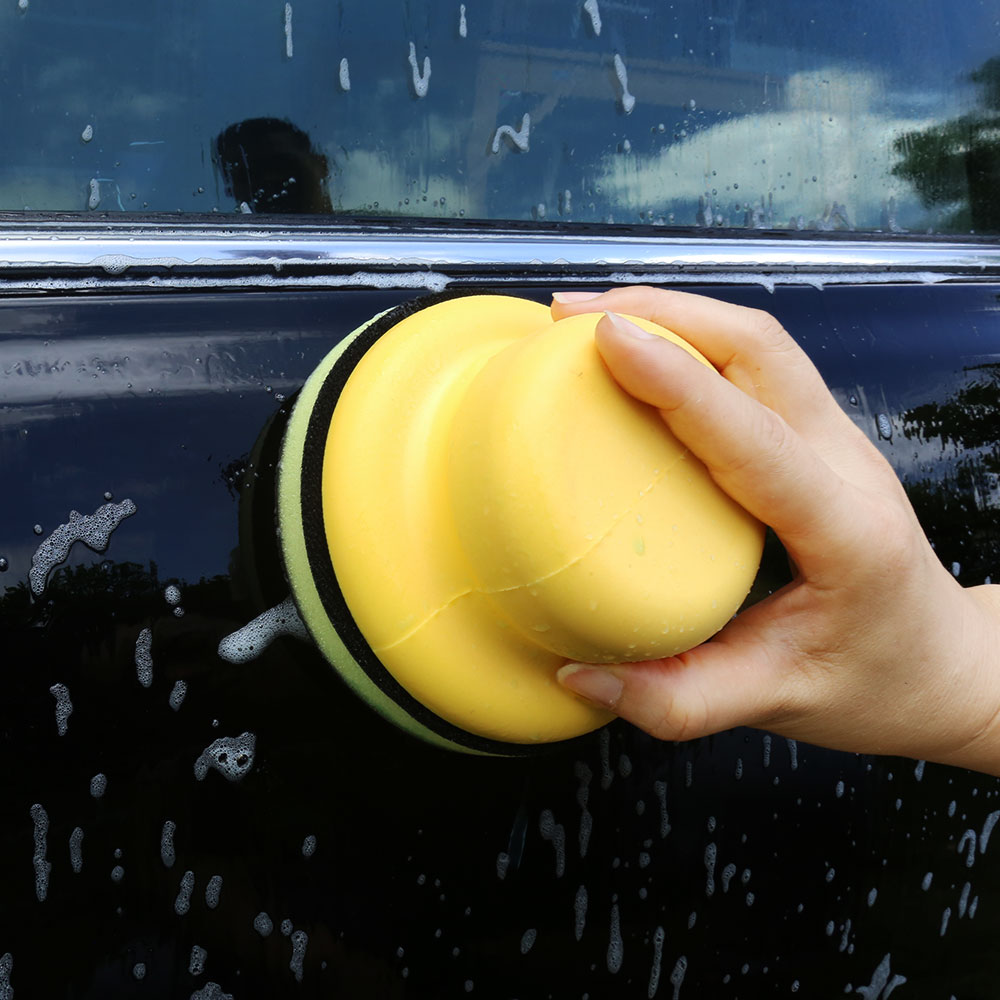 Thickness: You don’t need to apply a thick layer of wax. A thin, even layer is sufficient to protect the paint. A heavy layer will be harder to buff off and may leave streaks or hazy spots.4. How Long Should You Wait Before Buffing?Here's a more precise breakdown:For Paste and Cream Waxes: These waxes tend to be more viscous and take a bit longer to dry. After applying, wait until the surface looks hazy. Depending on your environment, this could take anywhere from 10 to 15 minutes. If you’re in very humid conditions, it may take a little longer. The key is that it shouldn’t feel tacky or sticky to the touch.For Liquid Waxes: These waxes are typically easier to spread and dry quicker, often hazing within 5 to 10 minutes. Since they contain more solvents that evaporate quickly, they require less time to bond to the surface. However, if the product is designed for quick application (like some spray waxes), you may be able to buff it off almost immediately after applying it.For Spray Waxes: Spray waxes are designed to be the quickest and easiest to apply, and many of them do not require waiting. You can often apply and wipe off in quick succession, sometimes within 1 to 3 minutes. Always follow the product instructions to avoid leaving a sticky residue.5. Buffing Off the WaxWhen the wax has hazed and is ready to be removed, you should use a clean, soft microfiber towel. Here’s how to buff it off properly:Use Two Microfiber Towels: One for the initial wipe-off and a second one for a final buffing. This ensures you're not rubbing excess wax back into the paint.Buff in Circular Motions: Use light, circular motions to buff the wax off. Avoid pressing too hard, as this can leave streaks or potentially damage the surface. You want to remove the wax without disturbing the protective layer it created.Inspect: After you’ve removed all the haze, inspect the paint under good lighting for any leftover wax or streaks. If you see any, use a clean section of your microfiber cloth to gently wipe it away.6. Common Mistakes to AvoidOver-Waxing: Applying too much wax will make it harder to remove, and can lead to build-up on the paint that isn’t beneficial. A thin, even layer is all you need.Letting the Wax Sit Too Long: Leaving the wax on for an extended period can make it harder to buff off. While some products are designed to be left on longer, most traditional car waxes should be removed once they’ve hazed.Buffing While Wax Is Still Wet: If you try to buff off wax too early while it's still wet, you'll end up smearing it around, leaving a streaky mess.7. Alternative Products: Quick Detailing Sprays vs. WaxFor those looking for faster results, quick detailers and spray waxes can be used in place of traditional waxes. These products don't require waiting for the wax to haze and can be buffed off immediately after application. However, they might not last as long or provide as much protection as a high-quality paste or liquid wax.Final Note on Waxing:Waxing is just one method of protection, and while it adds a beautiful shine, you should also consider other forms of protection like ceramic coatings, which provide longer-lasting durability. Waxing may need to be done more frequently—every 1 to 3 months—whereas ceramic coatings can last anywhere from 6 months to 2 years, depending on the product.By taking the time to apply the wax properly, you’ll ensure maximum protection and a glossy finish on your car's paint!
Previous
Clay Bars & Lubricants
Read More
Next
Available Car Washing Supplies Focused on Durable and Efficient Cleaning
Read More


