
Content Menu
Do You Take Care of Your Car Paint? Why or Why Not?
● Why Is Car Paint Care So Important?
>> 1. Protection from Environmental Damage
>> 2. Preserving the Vehicle's Value
>> 3. Enhanced Aesthetic Appeal
>> 4. Ease of Cleaning and Maintenance
● How to Take Care of Your Car Paint
>>> Washing Tips:
>>> Polishing Tips:
>> 4. Applying Paint Protection Products
>>> Waxing
>>> Sealants
>>> Ceramic Coating
>> 5. Avoiding Common Paint Dangers
● The Benefits of Regular Car Paint Care
>> FAQs
When it comes to car care, the paintwork is often one of the most overlooked yet crucial elements that define the overall appearance of a vehicle. While many car owners focus on mechanical upkeep, interior cleanliness, and engine maintenance, the importance of protecting and maintaining the car’s exterior, especially the paint, cannot be overstated. Your car's paint serves as the first line of defense against environmental factors, contaminants, and everyday wear and tear. In this article, we’ll explore why taking care of your car's paint is so important, how to do it effectively, and the various products and techniques that can help protect your vehicle’s exterior.
Car paint does more than just add visual appeal to your vehicle. It’s an integral part of the car’s defense system. Here’s why taking care of your car's paint is essential:
Your car’s paint is constantly exposed to various environmental elements such as dirt, bird droppings, tree sap, road salts, and chemicals from pollution. If left untreated, these contaminants can eat away at the paint and cause irreversible damage. Over time, this can lead to unsightly stains, discoloration, or even corrosion.
Additionally, UV rays from the sun can cause oxidation, leading to fading, dullness, and a rough texture on your car’s surface. Protecting the paint with the right products and techniques can shield it from these harmful elements and keep your car looking fresh for longer.
A car’s appearance plays a significant role in its resale value. A well-maintained paint job not only enhances the visual appeal of your car but also suggests that the vehicle has been cared for in other areas, such as its interior and mechanical components. Cars with damaged or faded paint often fetch lower prices on the used car market.
There’s no denying the satisfaction of driving a car that looks pristine. A shiny, smooth paint finish reflects light and makes the car appear sleek and polished. A well-maintained paint job is a sign of pride and care. Whether you’re looking to impress others or simply enjoy the look of your vehicle, maintaining your car’s exterior can improve its overall aesthetic.
A well-maintained paint surface is easier to clean and maintain. If the paint is regularly protected with a layer of wax, sealant, or ceramic coating, contaminants are less likely to adhere to the surface. This makes routine washing more efficient and prevents the buildup of dirt and grime, which can harm the paint over time.
Taking care of your car’s paint involves a combination of regular maintenance, proper washing techniques, and applying protective coatings. Below are the steps you should follow to keep your car’s paint looking its best.
Regular washing is the most basic yet essential step in maintaining your car’s paint. Washing your car helps remove dirt, dust, and contaminants that can gradually wear down the paint.

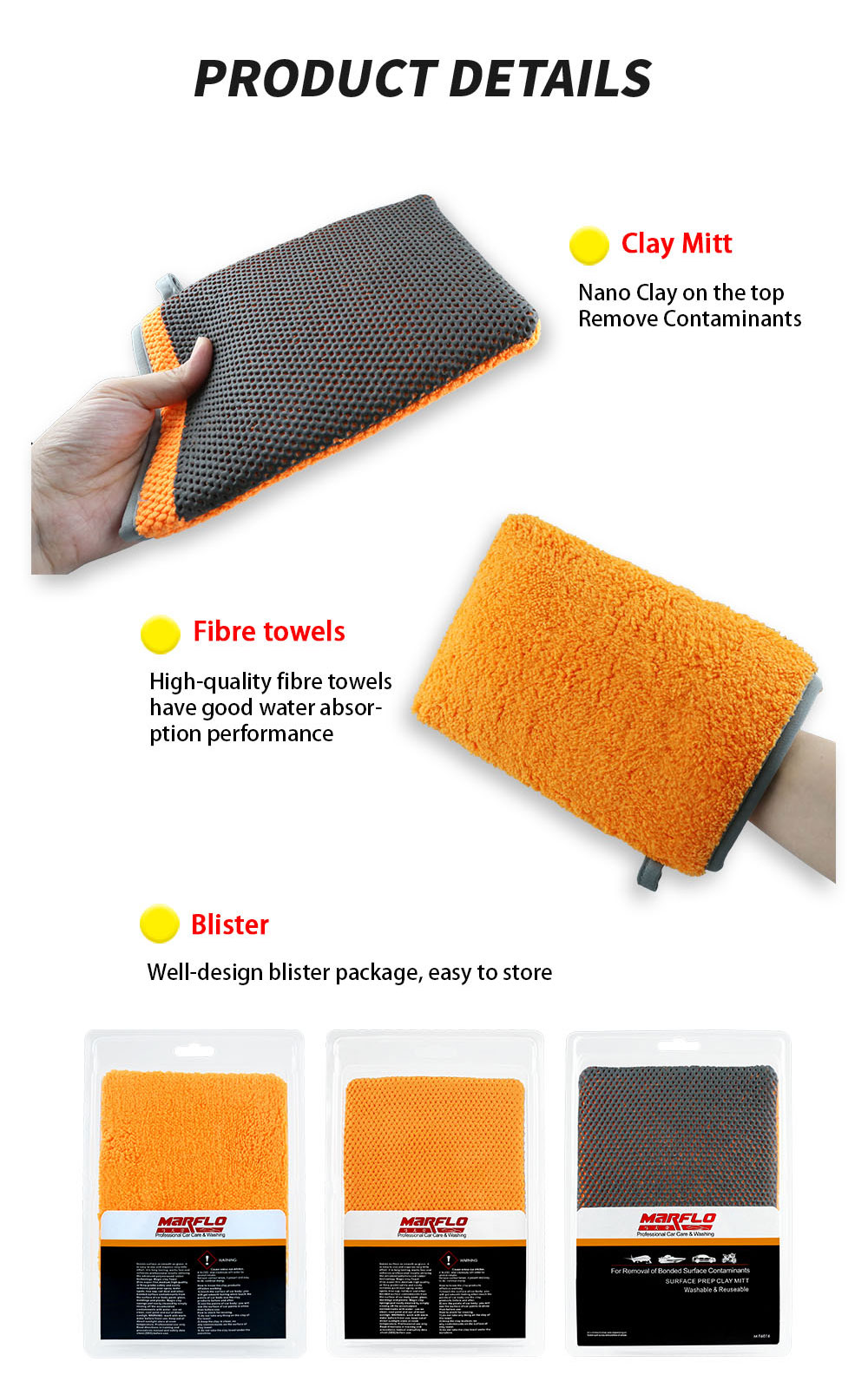
Claying your car is a step often overlooked by car owners. Over time, your car’s paint can accumulate contaminants such as tree sap, industrial fallout, and brake dust that regular washing cannot remove. Clay bars are an effective tool to remove these particles and restore the smoothness of your car’s paint.
Polishing is another vital step in maintaining the paintwork. Over time, your car’s paint can develop swirl marks, fine scratches, and oxidation, which can dull its appearance. Polishing helps to smooth the surface, remove imperfections, and restore the car’s shine.
To keep your car’s paint protected from the elements, you need to apply a protective layer. There are various products available, including wax, sealants, and ceramic coatings. Each has its benefits, but the key is consistency.
Car wax has been used for decades to protect the paint. It provides a layer of protection against UV rays, water, and dirt, and enhances the car’s shine. Waxing should be done every few months to maintain the protection.
Paint sealants are synthetic products that offer longer-lasting protection than traditional wax. Sealants typically last for several months and form a hydrophobic layer that repels water, dirt, and other contaminants.
For the highest level of protection, ceramic coatings are the go-to solution. These coatings bond with the paint to create an ultra-durable, hydrophobic surface that provides long-term protection against the elements. Ceramic coatings can last for a year or more, offering superior protection against scratches, UV rays, and contaminants.
There are several everyday situations that can harm your car’s paint if you're not careful. Here are some common paint hazards to watch out for:
Performing regular inspections of your car’s paint is essential to catch any problems early. Check for any scratches, chips, or fading, and address them as soon as possible. Minor imperfections can often be corrected with touch-up paint, while more severe issues may require professional attention.
By regularly maintaining and protecting your car’s paint, you not only keep your vehicle looking good but also extend its lifespan. Here are some of the key benefits:
Taking care of your car’s paint is not just about aesthetics; it’s also about protecting your investment. Regular washing, claying, polishing, and applying protective coatings will ensure that your vehicle stays in top condition and retains its value. Whether you're a car enthusiast or just someone who wants to preserve the look of your car, dedicating time to maintain your car’s paint is always worth it.
1.How often should I wash my car?
You should wash your car at least once every two weeks, or more often if you live in an area with a lot of dirt, dust, or pollutants.
2.Can I use regular household soap to wash my car?
It’s not recommended. Household soap can strip away protective wax and damage the paint. Use a pH-neutral car shampoo designed specifically for vehicle paint.
3.How often should I wax my car?
It’s advisable to wax your car every 2 to 3 months, or more frequently depending on your climate and exposure to the elements.
4.What’s the difference between wax, sealant, and ceramic coating?
Wax provides a natural shine but doesn’t last long. Sealants are synthetic and provide longer-lasting protection. Ceramic coatings bond with the paint for durable, long-term protection.
5.Can I remove swirl marks myself?
Yes, you can remove swirl marks with a polishing compound and a dual-action polisher. However, it’s important to follow the correct techniques to avoid further damage.
Feel free to ask for any adjustments or if you'd like to add more details!


