Clay Bar in Exterior Car Detailing(1000+)
By Lulu
September 24th, 2024
Using a clay bar in exterior car detailing is a crucial step that can significantly enhance the vehicle's appearance and prepare the surface for further treatments like polishing, waxing, or ceramic coating. Here’s a comprehensive guide to using a clay bar in car detailing:Importance of Clay Bar in Exterior Detailing1.Surface Contaminant Removal: Over time, contaminants such as industrial fallout, tree sap, road tar, and brake dust can adhere to your car's paint. A clay bar effectively removes these embedded particles, leaving the surface smooth.2.Improved Shine: By eliminating contaminants, the paint can reflect light more effectively, resulting in a deeper, more vibrant shine.3.Better Bonding for Protectants: After claying, the surface is clean and smooth, allowing wax, sealants, or coatings to bond better and last longer.
Steps for Using a Clay Bar1.Gather Your Supplies:Medium grade clay barClay lubricant (dedicated clay lube or detail spray)Microfiber towelsBucket of water (optional for rinsing)Detailing spray (optional)2.Wash the Vehicle:Begin with a thorough wash to remove surface dirt and debris. Use a pH-neutral car shampoo and microfiber mitt to avoid scratches.3.Dry the Vehicle:Dry the car with a microfiber towel to prevent water spots and ensure a clean surface for claying.4.Prepare the Clay BarKnead the clay bar to form it into a workable shape. If the bar gets too dirty, fold it to expose a clean side or knead it again.5.Apply Lubricant:Spray a generous amount of clay lubricant on the section you’re working on. This ensures the clay bar glides smoothly over the surface.6.Clay the Surface:Gently glide the clay bar over the lubricated area using straight lines. Apply light pressure; you don’t need to press hard. You should feel the surface becoming smoother as you work.7.Inspect the Clay Bar:Check the clay bar regularly for dirt buildup. If it becomes dirty, fold it over or reshape it to expose a clean section.8.Wipe Off Residue:Once you've completed a section, use a clean microfiber towel to wipe away any excess lubricant and check for any remaining contaminants.9.Repeat:Continue this process section by section until the entire vehicle is done.10.Post-Claying Wash:After claying the entire vehicle, you may want to do a light wash to remove any leftover lubricant. Dry the vehicle again.11.Apply Protection:Once the surface is clean and dry, apply your choice of wax, sealant, or ceramic coating for added protection.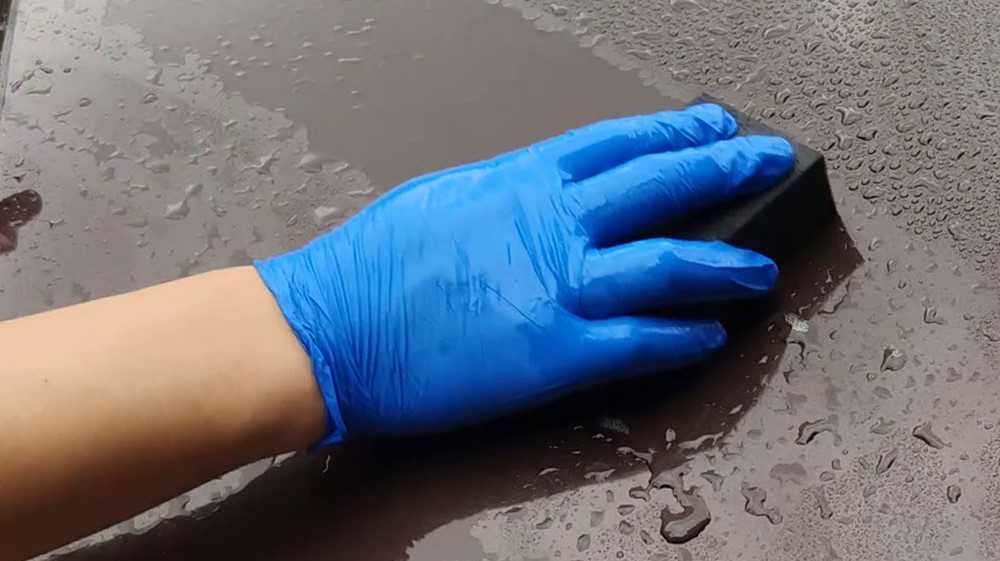
Tips for Successful Clay Bar UseTemperature and Conditions: Work in a shaded area and avoid direct sunlight to prevent the lubricant from drying out quickly.Use Proper Lubrication: Always use enough lubricant to ensure a smooth glide. Insufficient lubrication can lead to scratches.Patience: Take your time with each section. Rushing can lead to mistakes and less effective results.Storage: After use, store the clay bar in a clean, airtight container to keep it from drying out and to prevent it from picking up contaminants.
ConclusionUsing a clay bar in exterior car detailing is a straightforward yet essential process that can dramatically improve your vehicle's appearance and protect its finish. By following the steps outlined above and paying attention to the details, you’ll achieve a smooth, clean surface ready for protection. Whether you’re preparing for a car show or just maintaining your vehicle, incorporating clay barring into your detailing routine is well worth the effort.
Previous
Medium Grade Clay Bar
Read More
Next
Available Car Washing Supplies Focused on Durable and Efficient Cleaning
Read More


