It's possible to buff out cat scratches on a car, but the effectiveness of the process depends on the depth and severity of the scratches. Here’s how you can assess and potentially fix them:
1. Assess the Scratches
- Surface Scratches: These are shallow scratches that only affect the clear coat or the paint’s top layer. You can usually fix these with a good polish or rubbing compound.
- Deeper Scratches: If the scratch has gone through the clear coat and into the paint layer, it may require touch-up paint and potentially a more intensive repair.
2. Materials Needed
- Polishing Compound(Mild to Medium cut)
- Rubbing Compound(For deeper scratches)
- Microfiber Towels
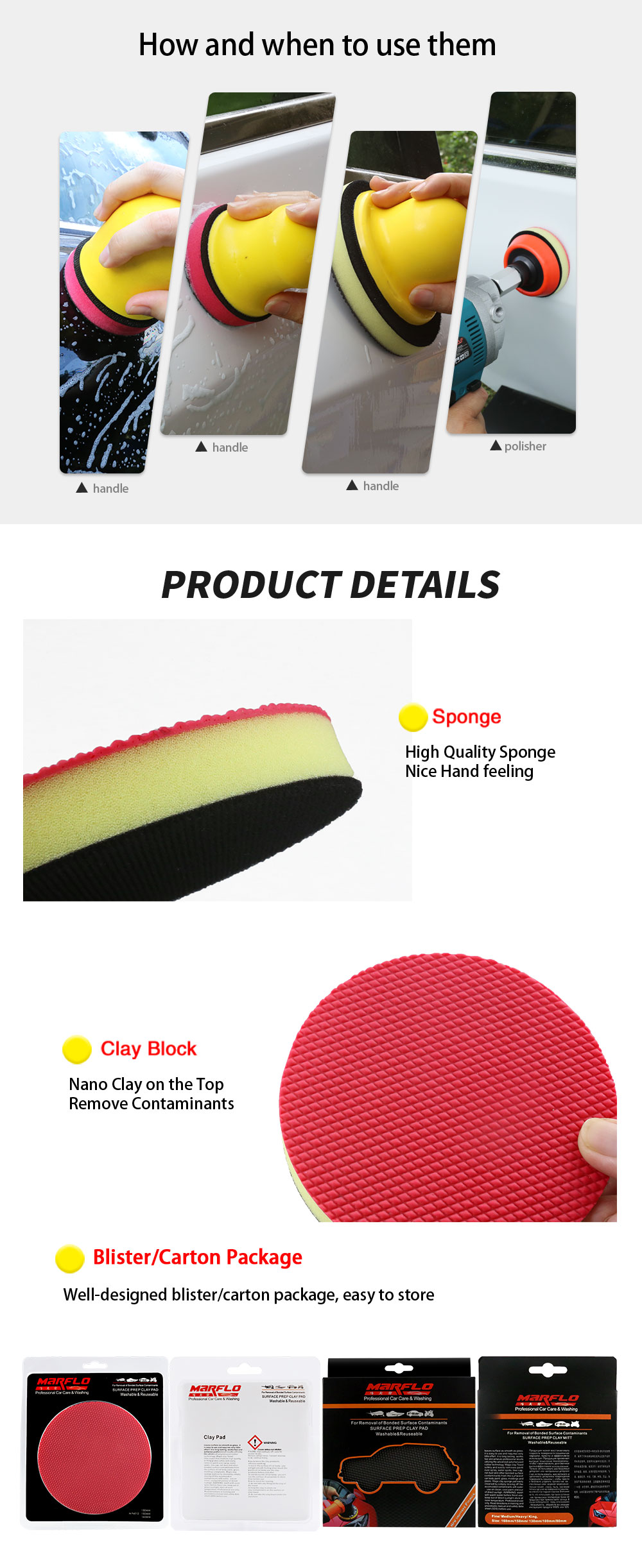
- Polishing Pad(For machine polishing) or Foam Applicator (For hand polishing)
- Touch-Up Paint(If the scratch is deep enough)
- Scratch Remover(Optional, for light scratches)
3. Buffing Out Surface Scratches
- Clean the Area: Wash the area around the scratch thoroughly to remove dirt and debris that could scratch the paint further.
- Inspect the Scratch: Run your fingernail over the scratch. If your nail catches in it, the scratch is too deep to buff out completely without touch-up paint.
- Apply a Polishing Compound: Use a mild polishing compound on a microfiber towel or a foam pad and work it into the scratch. This will help to smooth the edges of the scratch and blend it with the surrounding paint.
- Buff the Area: Using a clean microfiber towel, buff the area in a circular motion to remove the compound residue and reveal a smoother finish.
- Check Your Work: Repeat the process if necessary, but stop if you notice the scratch starting to disappear.
4. For Deeper Scratches (Touch-Up Required)
- If the scratch has gone beyond the clear coat and into the paint, you may need to apply touch-up paint. This can be applied using a fine-tip brush or a touch-up pen.
- After applying the paint, let it dry completely, then wet-sand it lightly with 2000-grit sandpaper (be very careful here) to level it with the surrounding paint.
- Finally, polish the area with a rubbing compound to restore the gloss and smooth out any imperfections from the sanding process.
5. Ceramic Coating and Aftercare
- Once you’ve repaired the scratch, consider applying a ceramic coatingor wax to protect the repaired area. This can help prevent future damage and keep the finish looking glossy and well-protected.
Tools You Might Need:
- Polisher/Buffer(if you're doing this professionally or on a larger scale, it can save time and effort)
- Scratch Remover(for minor scratches, these are often easy to use and effective)
Final Tips:
- Be Gentle: Don’t over-polish or rub too aggressively, as this can damage the paint further.
- Test in a Small Area: Always test any product on an inconspicuous area first to make sure it won’t damage the finish.
- Know When to Seek Professional Help: If the scratch is too deep or you’re unsure about the process, a professional detailer or body shop might be your best option for repair.
With the right tools and technique, you should be able to reduce or remove the appearance of cat scratches. However, deep scratches that penetrate the paint will always require more intensive repair.


