12 Clay Bars, Gallon Clay Lube, 12 DMT Microfiber Towels
By Lulu
September 23rd, 2024
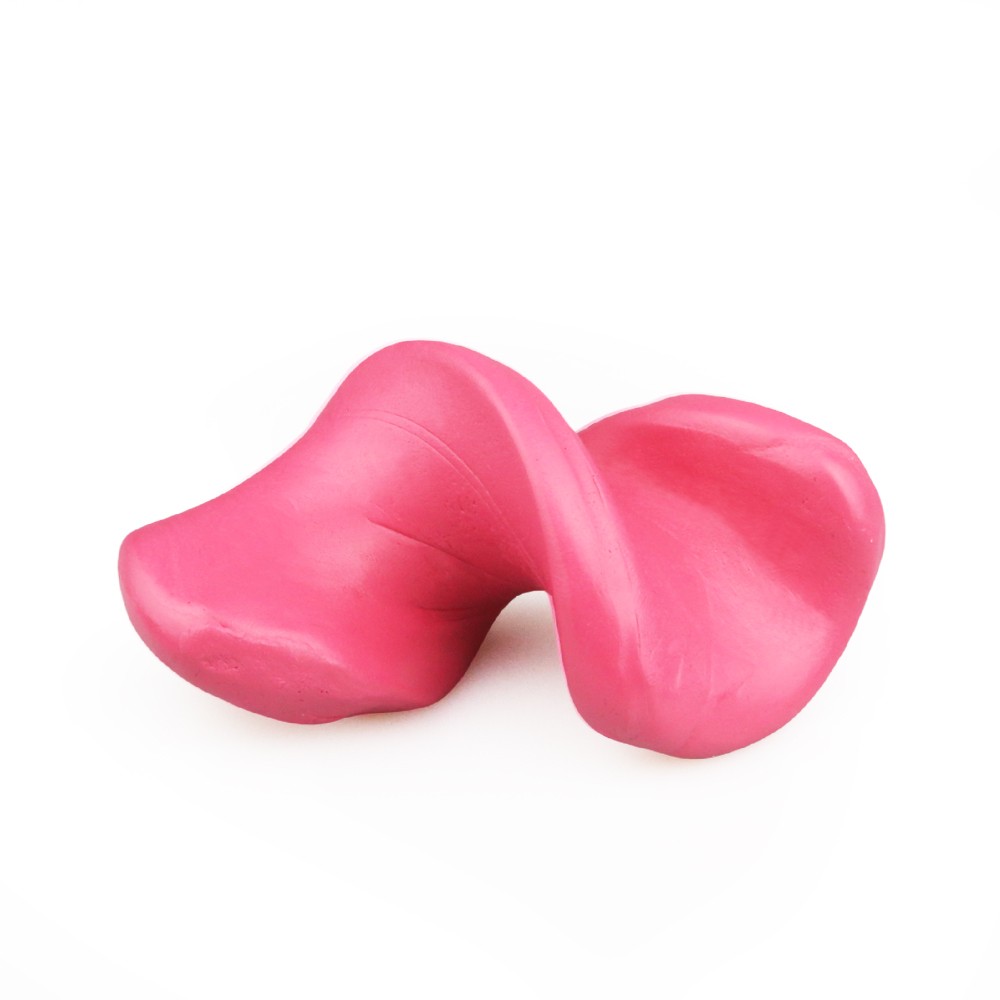
Let’s break it down with more detailed information on each item, usage tips, and best practices for maximizing efficiency during the decontamination process.1. Clay Bars (12 units)Material & Grade:Grades: Clay bars typically come in different grades: fine, medium, and heavy.Fine grade: For newer vehicles or vehicles with minor contaminants.Medium grade: For most vehicles that have not been clayed in a while.Heavy grade: For older vehicles or those heavily contaminated with things like iron particles and tar.Usage: Each clay bar can usually be divided into smaller sections to increase usage. For instance, you could break a clay bar into 2 or 3 pieces. This way, you’re not wasting a whole bar if one piece becomes too dirty to use.Technique:Knead the clay to ensure a fresh surface after each section.Work in small sections at a time, applying light pressure. Gliding the clay over the lubricated surface should feel smooth. If it feels rough, contaminants are still present.After claying, fold the clay bar to expose a fresh surface and continue.Expected Usage:For an average-sized vehicle, depending on contamination, you could use one clay bar for 1-2 vehicles. Heavily contaminated vehicles might need a fresh bar, while mildly contaminated ones may need less clay.Contaminant check: As you work, you’ll feel the clay pull at contaminants. When the clay moves smoothly, the surface is clean.
 2. Gallon Clay LubeClay Lubrication Importance:The clay lube minimizes friction, preventing scratches or marring on the vehicle’s surface.Ensure the surface is always well-lubricated during claying. Dry claying can damage the paint, especially on softer or darker colored paints.Dilution Ratio (if needed):Many gallon jugs of clay lube are concentrated. For example, a common dilution ratio would be 1 part clay lube to 10 parts water.Use a high-quality spray bottle to apply the lube evenly across each panel.Technique:Spray liberally across the surface, ensuring every area is wet before applying the clay.Always have a spray bottle handy to re-lubricate any areas that start to dry during the process.After claying a section, immediately wipe down the surface with a microfiber towel to avoid any lube or clay residue drying on the paint.3. 12 DMT Microfiber TowelsTowel Quality:DMT Microfiber towels are typically soft and safe for delicate surfaces. They are often designed with a high GSM (grams per square meter), meaning they are thick and plush, perfect for absorbing excess clay lube.Use towels with a high pile on one side for gentle wiping and a low pile on the other side for polishing off any residue.Wiping Process:After claying, use a towel to wipe away the excess clay lube. Wipe gently in straight lines to avoid inducing swirls.Switch to a clean side of the towel often. For larger sections, it’s a good idea to use a fresh towel to avoid dragging contaminants back over the surface.Microfiber Maintenance: After each use, wash the towels properly to avoid contamination. Wash with microfiber detergent or mild detergent (without fabric softener) and tumble dry on low.Best Practices for Towel Usage:Use one towel per panel (or half a panel) to minimize the risk of reintroducing contaminants.After claying, these towels can also be used for further detailing steps, like drying or polishing.General Workflow and Efficiency Tips:Preparation:Wash the car thoroughly to remove loose dirt and debris.Inspect the vehicle’s surface and determine which grade of clay bar to use.Claying Process:Step 1: Work in 2ft x 2ft sections, starting at the top of the car and working your way down.Step 2: Spray the clay lube generously over the section and glide the clay bar across the lubricated surface.Step 3: If the clay picks up contaminants (it will feel gritty), continue until the bar moves smoothly across the paint.Step 4: Wipe off any remaining lube with a microfiber towel and inspect the paint.Post-Clay Inspection:Once finished, run your hand over the surface (with a clean plastic bag over your hand) to feel for any remaining rough spots. If it’s smooth, the surface is ready for further detailing, polishing, or ceramic coating application.Maintenance:Store clay bars in an airtight container to prevent them from drying out between uses.Regularly wash the microfiber towels to maintain their softness and performance.Would you like advice on additional tools, polishing steps, or ceramic coating application after claying?
Previous
How to claybar a car? - Ceramic Coating Expert?
Read More
Next
Available Car Washing Supplies Focused on Durable and Efficient Cleaning
Read More


